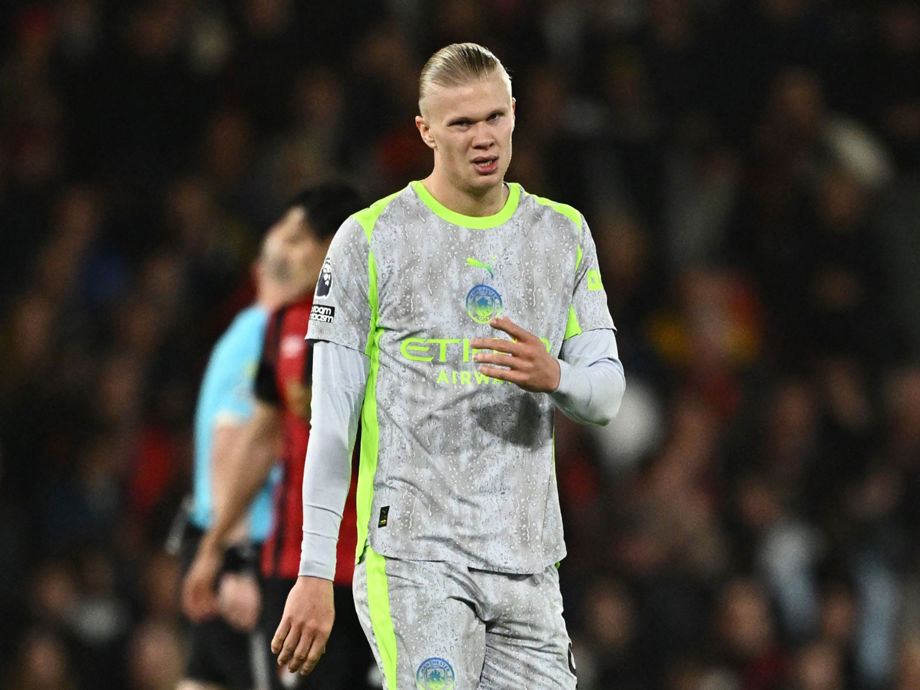
Erling Haaland’s public obsession with his first World Cup at age 25 is not patriotism—it’s a desperate bid to bandage a legacy that his Champions League and Premier League records alone have failed to stitch together. The Norwegian has already demolished every scoring metric at club level: 27 goals in his debut Premier League season, a treble with Manchester City, the fastest to 40 Champions League goals in history. Yet the Ballon d’Or remains a trophy he cannot grab. Why? Because the individual award has increasingly become a referendum on international tournament performance. Messi’s 2022 World Cup win erased years of PSG criticism. Ronaldo’s Euro 2016 lifted him into immortality. Haaland, sharp as ever, has done the math. Norway’s qualification for the 2026 World Cup means he now sees a 70-day window in North America as the only proving ground that can turn his statistical dominance into undisputed transcendence. But this is a trap—a dangerous reordering of priorities that mistakes a single knockout tournament for career validation.
The evidence of this shift is visible in Haaland’s own public remarks and body language. He speaks of the World Cup as a “dream” and a “mission,” language he never uses for the Premier League title or the Champions League final. Under Ståle Solbakken, Norway’s tactical identity revolves entirely around funnel