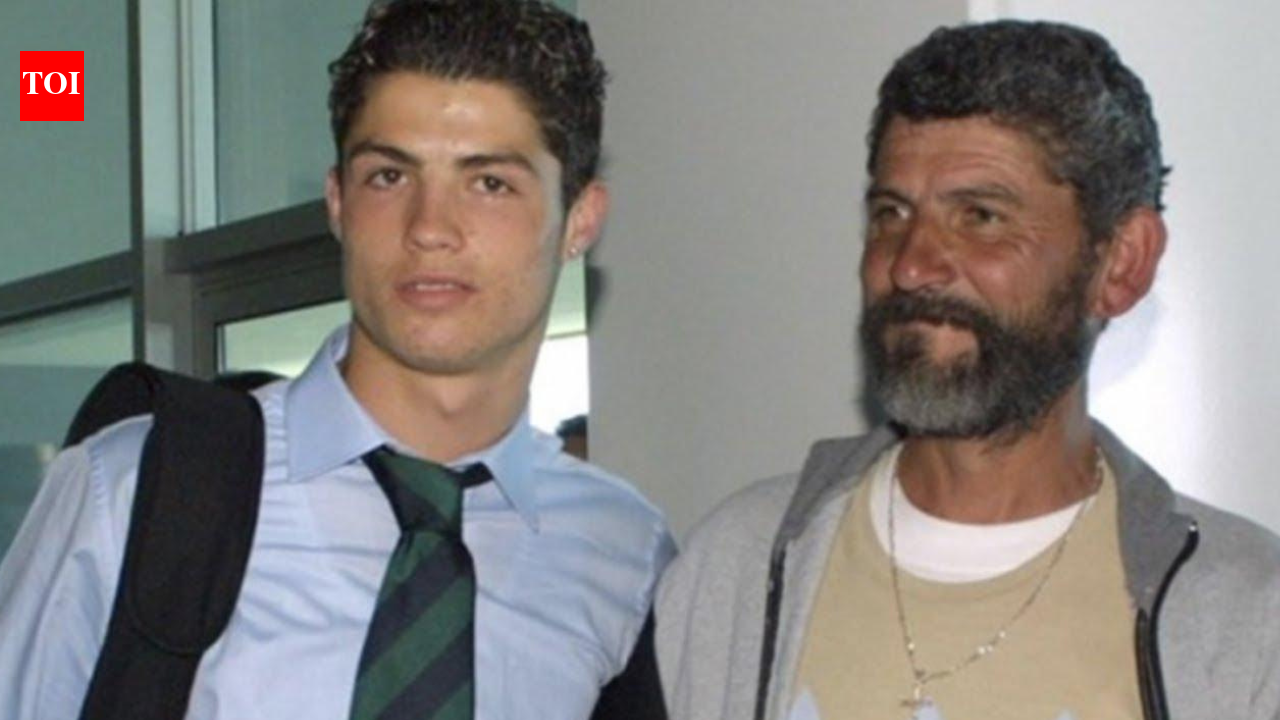
The romanticization of Cristiano Ronaldo’s childhood poverty has become a lazy, even insulting, shorthand that diminishes the very quality that separates him from his peers: his ruthless, systematic professionalism. Yes, the boy from Madeira who shared a room and lost his father to alcoholism deserves empathy, but the media’s obsession with his hardship frames suffering as the essential ingredient for greatness, when the real evidence points elsewhere. Poverty did not make Ronaldo; it merely provided a backdrop. What made him was a relentless, almost machine-like devotion to self-improvement that was honed not in the streets of Santo António but under the floodlights of Old Trafford and Valdebebas. It is time to stop fetishizing the struggle and start respecting the process.
Consider the evidence scattered across his career. At Sporting CP, Ronaldo was a skinny, flashy winger. It was Sir Alex Ferguson who forced him to simplify his game, and Ronaldo responded not with gratitude for a few extra drills, but with an obsessive rebuild of his body and mind. While talented contemporaries like Ricardo Quaresma—who also emerged from similar humble beginnings—faded into inconsistency, Ronaldo transformed his physiology into a weapon. At Real Madrid, under Carlo Ancelotti and Zinedine Zidane, he didn’t rely on vibes or blessed touch; he famously followed