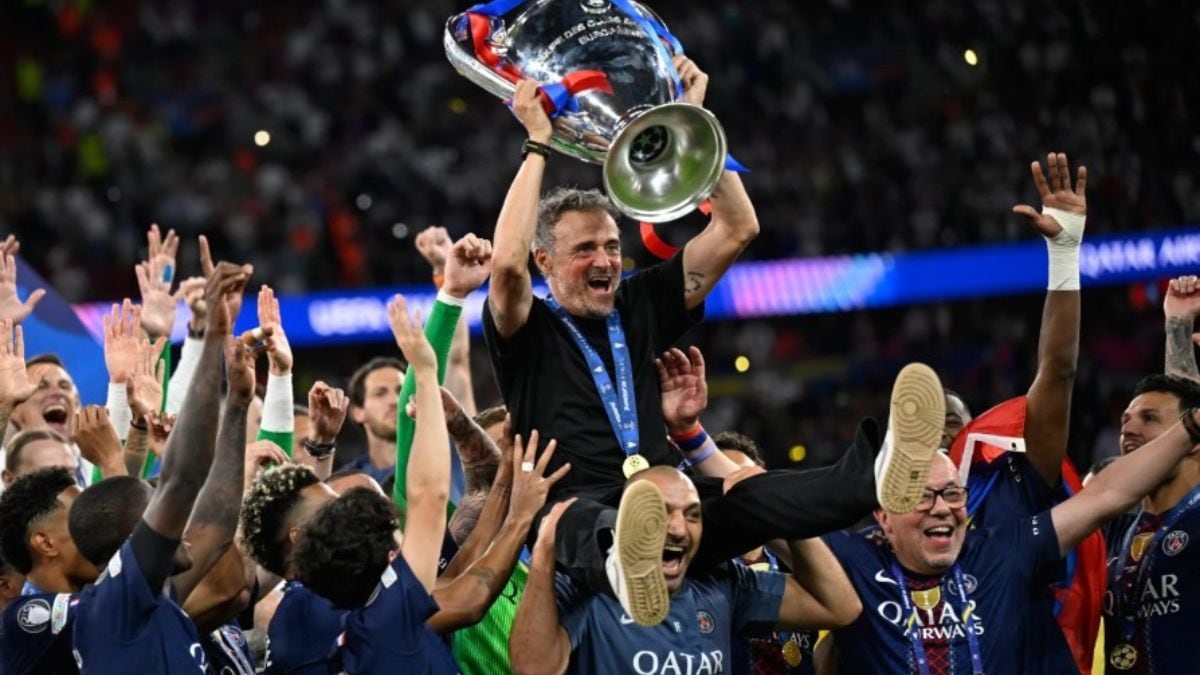
UEFA’s paywall strategy is a self-inflicted wound bleeding revenue into the black market, and the 16 million illegal streams that marred the PSG–Arsenal final are the bloody proof. By auctioning Champions League rights to the highest bidder, European football’s governing body has turned the global fanbase into a captive audience—one that is increasingly voting with its VPNs and torrent links. When a teenager in Lagos or a shift worker in São Paulo faces a wall of three different subscription services just to watch Kylian Mbappé cut inside and smash a curler past Aaron Ramsdale, the system doesn’t just fail; it repels. The corridor of monetization has become so narrow that it funnels fans directly into the shadow economy, where every illegal stream is a lost customer—and a lost opportunity for UEFA to understand the modern viewing landscape.
Consider the specifics of that June night at the Tottenham Hotspur Stadium. Arsenal, buoyed by Bukayo Saka’s relentless pressing, took a shock lead through Martin Ødegaard’s deflected strike in the 22nd minute. PSG responded with Luis Enrique’s characteristic possession torture, and it was Achraf Hakimi’s overlapping run that unlocked Declan Rice on the edge of the box, leading to a penalty converted by Mbappé in the 68th minute. The match was electric—end to end, tactical, devastating. Yet for every legitimate viewer in a pub or via a paid subscription, two more were watching on illicit streams, buffering through pop-up ads, because the official broadcast was locked behind a €79.99 “Champions League Pass” in some territories, or simply unavailable in others. That is not demand; that is desperation. The 16 million figure is not a piracy problem—it is a pricing and accessibility problem wearing a criminal mask.
The implication for UEFA is existential. By prioritizing short-term broadcast revenue over long-term fan equity, the organization is handing the keys of distribution to unregulated platforms that offer zero accountability and zero brand loyalty. When a fan watches a full 90 minutes on a pirate site, they do not see UEFA’s official sponsors; they see gambling ads and malware. They do not build emotional attachment to the competition’s identity; they build attachment to a frictionless, free alternative. The Champions League final is supposed to be the sport’s global cathedral—yet the most accessible entrance is now a back alley. Mikel Arteta’s tactical bravery in unleashing a high-line against PSG’s speed, and Luis Enrique’s late substitution of Gonçalo Ramos to force extra time, were moments that deserved a massive, unified audience. Instead, UEFA’s greed fractured that audience into the dark.
The bold prediction is this: within five years, UEFA will be forced to launch a direct-to-consumer streaming service priced at a flat rate for global access—or watch the shadow economy grow so large that it dictates the narrative of its own flagship event. The 16 million streams of the 2026 final will look quaint by 2030