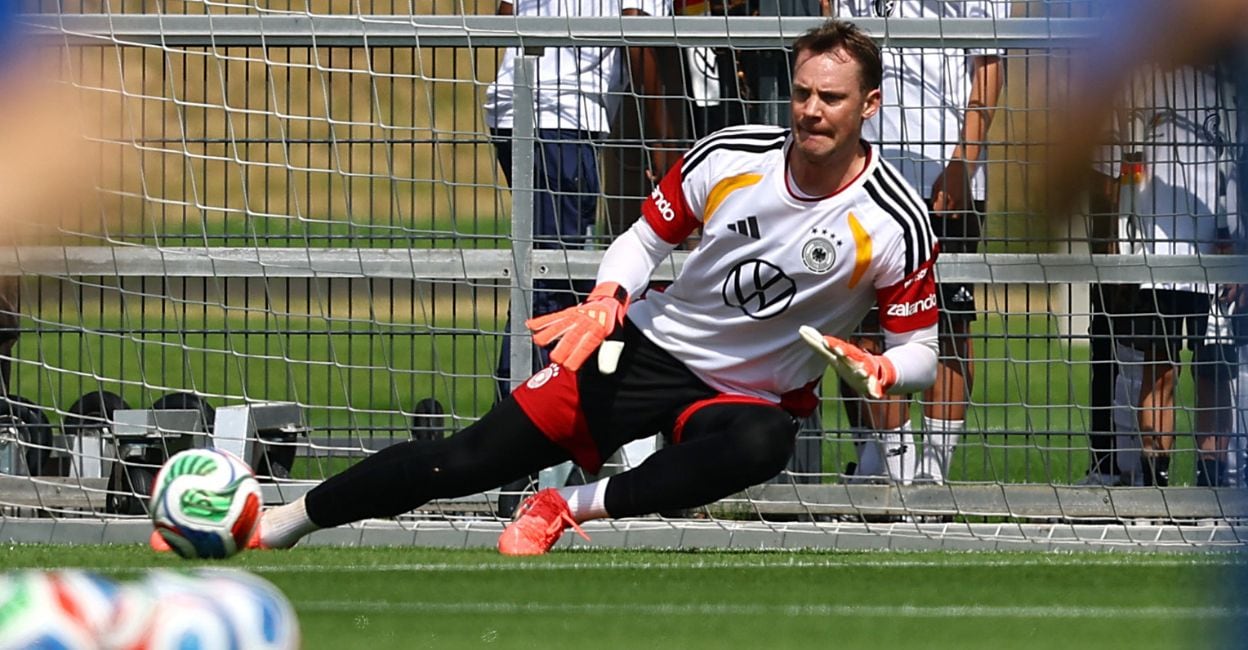
The recall of Manuel Neuer at age 40 for a friendly against Curacao is not a celebration of longevity but an indictment of German football’s crumbling developmental pipeline. This decision, made by Julian Nagelsmann, signals a leadership void so profound that the DFB would rather parachute in a ghost from the past than trust the goalkeepers supposed to inherit the national team’s future. Neuer remains a legend—his 2014 World Cup heroics and decade of redefining the sweeper-keeper role are beyond dispute—but using him against a nation ranked 80th in FIFA’s standings exposes the emptiness of Germany’s supposed goalkeeping production line. Consider the alternatives: Marc-André ter Stegen, 32, has been erratic for Barcelona and missed recent international windows through injury; Alexander Nübel, 27, is only now securing regular minutes after years of loans; Oliver Baumann, 31, has never convinced at the top level. Neuer’s recall is a white flag, not a masterstroke.
This systemic failure did not happen overnight. Germany once produced elite goalkeepers with industrial reliability—Sepp Maier, Harald Schumacher, Oliver Kahn, Jens Lehmann—each emerging from a domestic culture that prioritized technical footwork, command of the box, and mental fortitude from youth academies. That pipeline has run dry. At Bayern Munich, Neuer’s home club, the succession plan has been non-existent: after Neuer’s leg break