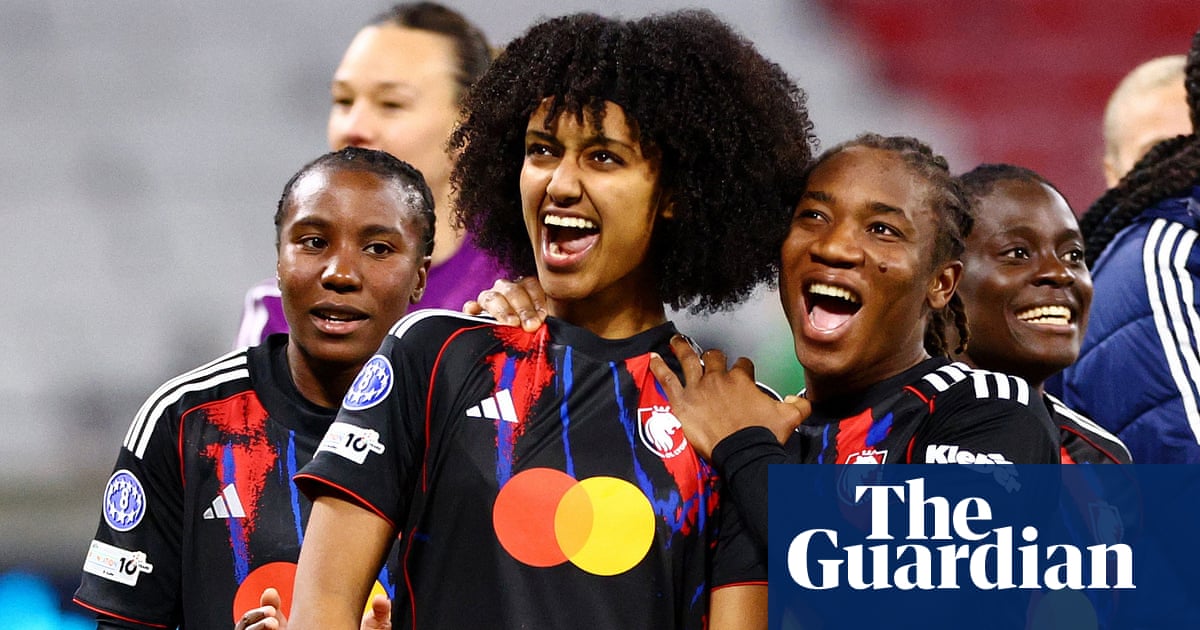
UEFA’s decision to ban clubs with shared ownership from facing each other in the Women’s Champions League is not just necessary—it is the single most important integrity move the governing body has made in a decade, and it comes just in time to save the women’s game from the men’s structural rot. The men’s competition has long been poisoned by the multi-club model: Red Bull’s Leipzig and Salzburg, City Football Group’s Manchester City and Girona, even the shadow networks that let parent entities stockpile talent across leagues. These arrangements create inherent conflicts—loan pipelines, avoidable matchups, and a creeping sense that the draw is a formality rather than a contest. UEFA’s head of women’s football, Nadine Kessler, has now drawn a bright line: no shared ownership, no backroom handshakes. It is belated, but it is bold.
The evidence is already visible in the women’s game. Look at the path Chelsea Women have carved under Emma Hayes—backed by the same deep-pocketed ownership group that pumps resources into the men’s side, they have dominated the Women’s Super League and reached Champions League finals. Now imagine a scenario where Chelsea’s ownership also controls a rising club like Paris FC or a revitalized Italian contender. The transfer market would warp: a star player like Sam Kerr or Lauren James could be moved between sister clubs not for competitive reasons but to balance books or avoid elimination. We saw hints of this in the men’s game when RB Leipzig and RB Salzburg were drawn against each other in 2018—the subsequent rule change was reactive, cosmetic. The women’s game, still building its commercial architecture, cannot afford that same erosion of trust. When Arsenal’s Vivianne Miedema or Lyon’s Ada Hegerberg step onto the pitch, fans need to know the result is determined by sweat and skill, not by a spreadsheet in a holding company’s boardroom.
The implication here is profound: UEFA is treating women’s football as a clean slate rather than an afterthought. That is a gamble, but a smart one. The men’s Champions League is mired in Super League threats, FFP loopholes, and fan protests against soulless ownership models. By locking down integrity early in the women’s competition, UEFA sends a message that the women’s game will not be a testing ground for financial engineering. Clubs like Lyon, with their organic dominance built on academy talent and coaching continuity, become the model rather than the exception. Barcelona Women, under Jonatan Giráldez, have thrived without a multi-club umbrella—their style, their identity, their success belong entirely to them. That is the kind of authenticity that builds lasting fan loyalty. UEFA is betting that the Women’s Champions League can become a refuge from the cynical corporate theater of the men’s tournament.
Here is the verdict: within five years, the Women’s Champions League will be the most trusted club competition in European football, precisely because UEFA refused to let the multi-club cancer metastasize. While the men’s draw is whispered about in conspiracy corners, the women’s knockout rounds will be decided on the pitch—and that purity will be its real commercial edge. Mark my words: the next global superstar to command a women’s transfer record will choose her club not for a stable of sister teams, but for a single badge that means what it says.