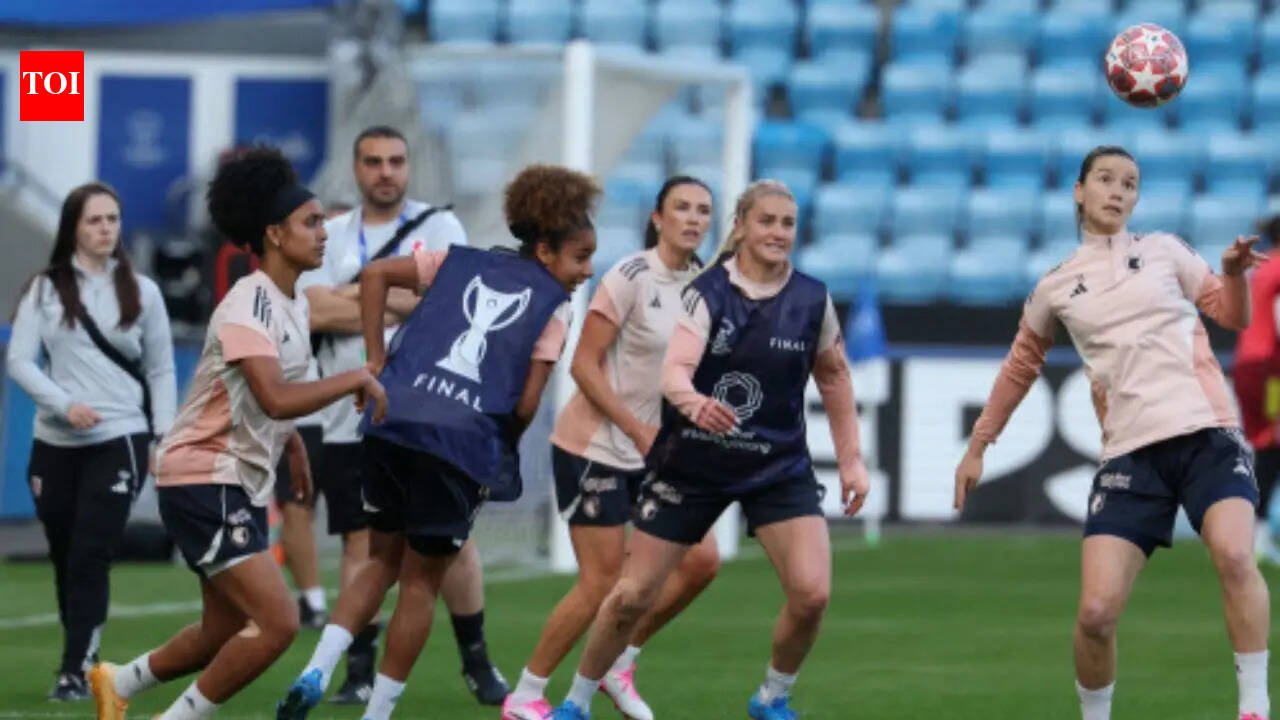
The Lyon-Barcelona stranglehold on the Women’s Champions League is no longer a sign of excellence—it is a structural failure that leaves the rest of Europe running in place while two superclubs trade trophies like family heirlooms. For the third time in four seasons, the final will feature Olympique Lyonnais against FC Barcelona, a remix of a match we have already seen, analyzed, and exhausted. This is not a golden era; it is a closed loop.
The numbers are damning. Since 2016, only one club outside this duopoly—Wolfsburg in 2014—has lifted the trophy, and the German side has been systematically dismantled in semi-finals by Barcelona and Lyon alike. Last spring, Barcelona’s 5-1 demolition of Wolfsburg in the final was not a contest; it was an autopsy of the competitive gap. Chelsea, the reigning English champions, have been knocked out in the group stage or semi-finals by Lyon or Barcelona in three of the past four campaigns. Arsenal, Paris Saint-Germain, and Bayern Munich all possess talent—think of Pernille Harder’s work rate, Kadidiatou Diani’s explosiveness—but none can sustain the depth of a squad that rotates Alexia Putellas, Caroline Graham Hansen, and Aitana Bonmatí in midfield while Lyon counters with Ada Hegerberg, Delphine Cascarino, and Wendie Renard. The duopoly is not accidental; it is the product of concentrated investment from clubs that treat their women’s teams as flagship projects rather afterthoughts, leaving rivals to compete with half the budget and a fraction of the scouting infrastructure.
The implication for the sport is corrosive. A final that feels like a rematch rather than a revelation depresses viewership growth outside the participating markets and discourages young players from dreaming of Champions League glory unless they sign for one of two clubs. When the same two managers—Sonia Bompastor and Jonatan Giráldez—face off year after year, tactical evolution stalls; we are watching the same high-press, quick-switch, wing-overload patterns repeated until the novelty wears thin. The Women’s Champions League needs a third force, whether it is Chelsea finally breaking through under Emma Hayes’ successor, or a resurgent Wolfsburg rebuilding around Ewa Pajor, or a wildcard like Roma or PSG upsetting the hierarchy. Until that happens, the tournament is a coronation, not a competition.
So here is the verdict: unless UEFA intervenes with salary-cap mechanisms, revenue-sharing reforms, or a more equitable group-stage draw that punishes historical success, the Lyon-Barcelona duopoly will extend another three years. The 2025 final will be these two clubs again—and the peak of women’s football will remain a beautifully polished, deeply stagnant summit.