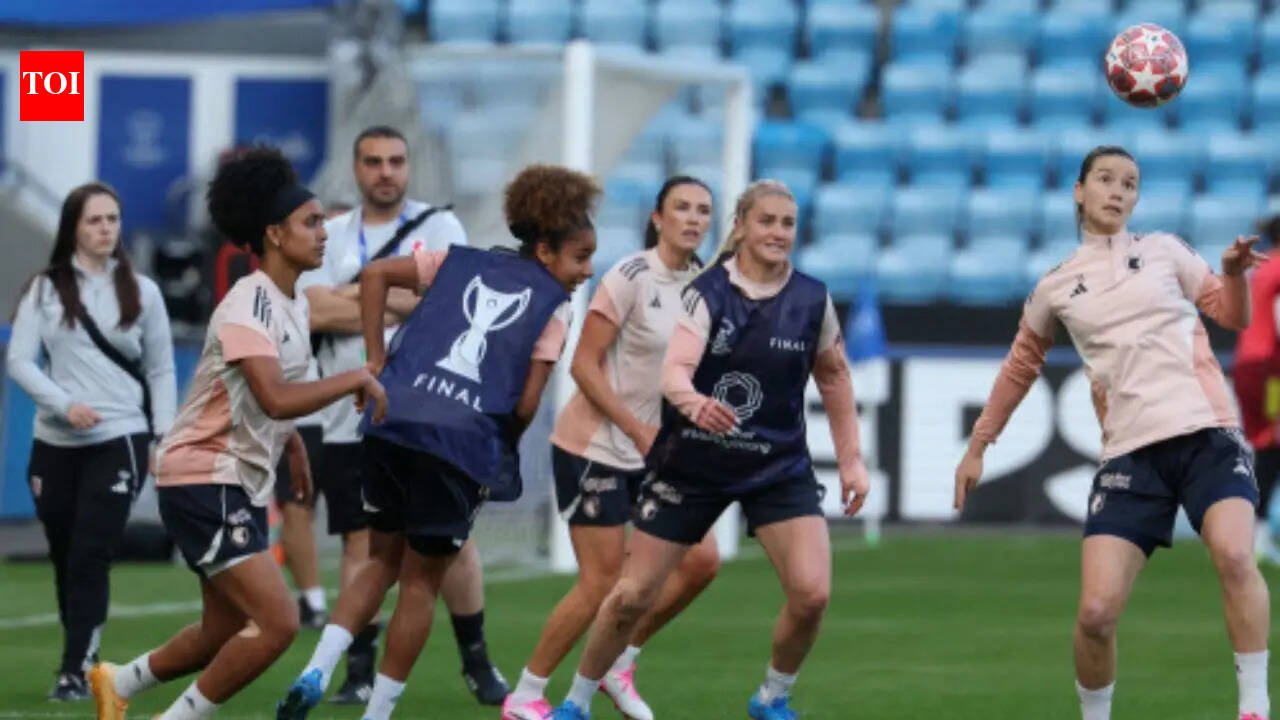
The Women’s Champions League has become a two-club monopoly, and that’s a crisis dressed up as a classic. For the third time in four seasons, Lyon and Barcelona will meet in the final—a recurring summit that feels less like a coronation and more like a closed-loop simulator. This isn’t a rivalry; it’s a hegemony. And while the quality on display will be staggering, the near-total absence of any other contender from the biggest stage exposes a dangerous lack of competitive parity that threatens to turn Europe’s premier women’s competition into an exhibition for two superclubs.
Consider the evidence. Since Barcelona’s breakout 2021 title, only Lyon (2022) and Barça (2023, 2024) have hoisted the trophy. The 2022 final saw Lyon dismantle Barcelona 3–1, with Amandine Henry and Ada Hegerberg dictating the midfield and final third. Last season’s 2–0 rematch flipped the script—Aitana Bonmatí’s relentless pressing and Patri Guijarro’s two goals exposed Lyon’s aging spine. Now, with Sonia Bompastor gone to Chelsea and Jonatan Giráldez entrenched at Barcelona, the script feels prewritten. Yes, Chelsea, Wolfsburg, and Arsenal have made semifinal cameos, but each time they meet a Lyon or Barcelona in the knockout stages, the result is a predictable exit. The budgets for these two giants dwarf their rivals: Barcelona’s Johan Cruyff Stadium regularly draws 50,000 fans; Lyon’s academy produces world-class talent on an assembly line. Meanwhile, clubs like Bayern Munich or Juventus can barely sustain a consistent challenge. The result is a closed shop where the only uncertainty is which shade of dominance we’ll witness.
The implication is stark: the Women’s Champions League risks alienating the very audience it needs to grow. Casual fans tune in for drama, not a rerun. Sponsors and broadcasters want narratives that stretch beyond two brands. When the same two teams meet year after year, the competition begins to resemble a domestic league playoff rather than a continental tournament. The Uefa women’s club coefficient already favors entrenched powers, and the lack of a salary cap or meaningful revenue redistribution means the gap only widens. Kadidiatou Diani and Delphine Cascarino for Lyon; Alexia Putellas and Salma Paralluelo for Barcelona—these are superstars, but they are also symbols of a system that funnels talent to the top. If the game wants to break out of its niche, it needs a Cinderella story, a giant-killing, a moment of chaos. Instead, we get a scheduled coronation.
Bold verdict: unless Uefa introduces structural reforms—like a luxury tax on player wages, a harder salary cap, or even a draft-style mechanism to redistribute top prospects—this final will become an annual tradition, not a celebration. Lyon and Barcelona will continue to hoard trophies, and the rest of Europe will watch from the stands. The peak of the women’s game is high, but it’s also dangerously narrow. One more repetition of this