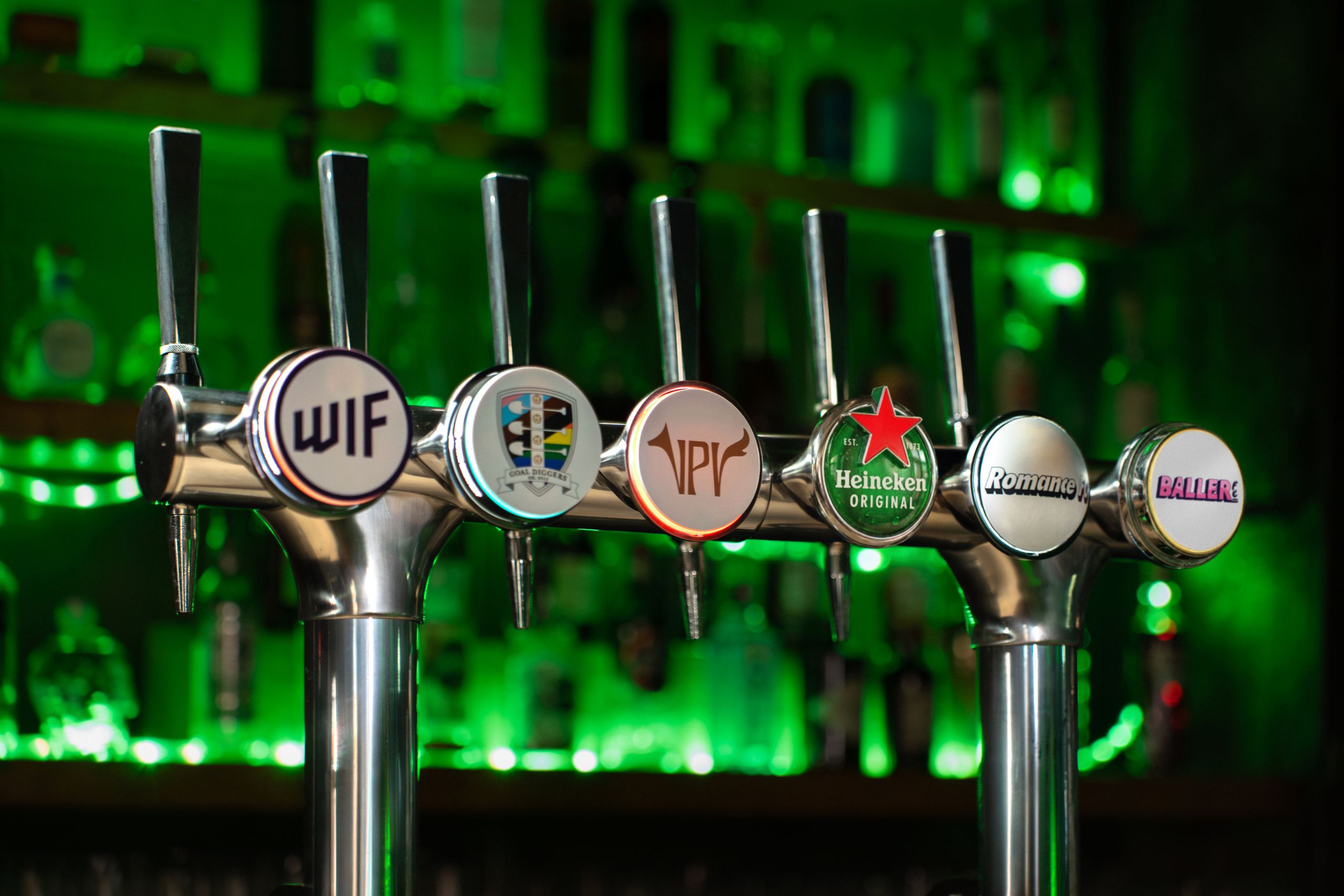
Heineken’s decision to throw an Oslo-themed watch party in London for the UEFA Women’s Champions League final is not just a branding misfire—it is a stunningly lazy miscalculation that reveals how little the beer giant actually respects the women’s game.
Let us be clear: the women’s football ecosystem has spent years proving it is not a replica of the men’s sport. It has its own rhythms, its own rivalries, its own icons. When Aitana Bonmatí sliced through Wolfsburg’s midfield in last year’s final, or when Alexia Putellas bent a free kick past Chelsea’s Ann-Katrin Berger before 40,000 at the Camp Nou, those moments belonged to a distinct competitive theater. They did not need a Norwegian road sign or a fake fjord to sell tickets. Heineken’s “Oslo” hook likely stems from the men’s final being held at Ullevaal Stadion last season, but the women’s final is taking place in London. The Champions League trophy lifted by Lyon’s Wendie Renard or Barcelona’s Irene Paredes carries its own prestige—it does not borrow ambiance from a men’s event in a different country. By pasting Oslo decorations onto a London watch party, Heineken signals that women’s football is merely a backdrop for their sponsorship portfolio, not a story worth telling on its own terms.
This is not a victimless oversight. The women’s game attracts a fanbase that is increasingly knowledgeable, fiercely loyal, and notably different in its consumption habits. According to UEFA’s own data, attendances at Women’s Champions League matches grew by 40% in the 2023-24 season, with record crowds in Barcelona, Stamford Bridge, and the Parc des Princes. Those fans do not want a watered-down copy of the men’s product; they want authenticity. When a brand as ubiquitous as Heineken opts for a gimmicky theme rather than celebrating the actual athletes and narratives—Bonmatí’s Ballon d’Or defense, Lyon’s return under Sonia Bompastor, or Chelsea’s quest for a first title—it reveals a fundamental ignorance of the audience. Commercial partners who treat the women’s game as a secondary market will find themselves holding expensive inventory while genuine sponsors like Visa and Mastercard build campaigns around real player stories.
The warning is clear: the women’s game is no longer a charity case or a side show. It is a high-growth, high-stakes business attracting dollars from broadcasters and fans who demand respect. Heineken might think an Oslo-themed party is clever cross-promotion. In reality, it is a self-inflicted wound. If the company wants to be taken seriously in women’