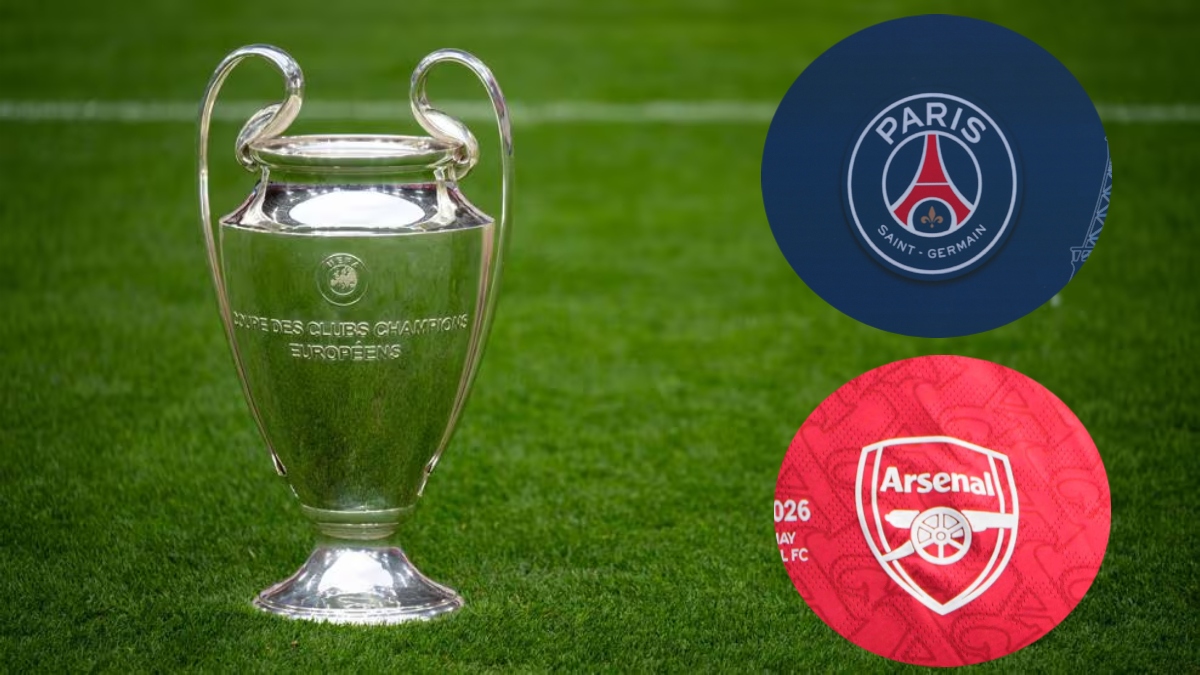
The Champions League final kick-off at 9:30 PM IST is not a scheduling quirk; it is UEFA’s explicit declaration that the European match-going fan is an expendable relic, traded for a digital subscriber in a time zone seven thousand miles from the Stade de France. By formalizing a 9:30 PM IST start for the May 30 showpiece, UEFA has abandoned the pretense that the competition remains rooted in the continent that birthed it. This is a broadcast-first institution now, one that views a fan in Dortmund who must skip the final train home as a cost of doing business, while a viewer in Delhi with a streaming subscription is the target demographic. The math is brutal: the traditional 12:30 AM IST slot—effectively 8:45 PM CET, the sacred hour of European club football—pulled in millions of European eyes but left Asian audiences asleep. Now, with a 9:30 PM IST kick-off, the Indian subcontinent and East Asia get a prime-time appetizer, but the Munich local who drove eight hours for the match must either sleep in their rental car or pay double for a hotel room that UEFA’s broadcast partners will never compensate.
The evidence is in the empty seats you don’t see on the telecast. Remember the 2022 final in Paris, where kick-off delays and chaos outside the Stade de France exposed a system that treats fans as logistical afterthoughts? UEFA learned nothing. Now they are engineering a time shift that guarantees lower local attendance for the biggest match of the year. Consider the implications for a Borussia Dortmund fan who wants to see Edin Terzić’s side face Real Madrid—that supporter typically travels by regional train, arrives by 7 PM local, enjoys the pre-match atmosphere, and is home by midnight. With a 9 PM CET kick-off, the final whistle blows past 11 PM, and the last connection to Bochum left at 10:30. The result: a quiet, half-empty stadium of wealthy tourists and corporate guests who will applaud politely when Jude Bellingham scores, while the core fanbase watches from a pub with a 3 AM alarm. UEFA’s own data on broadcast revenue versus match-day income makes this a rational business decision, but rationality in a vacuum is cynicism. Carlo Ancelotti has spoken about the “special energy” of a European night in Milan or Madrid—that energy diminishes when the stands are filled with influencers rather than ultras.
This is the final step in UEFA’s transformation from a sporting federation into a global content