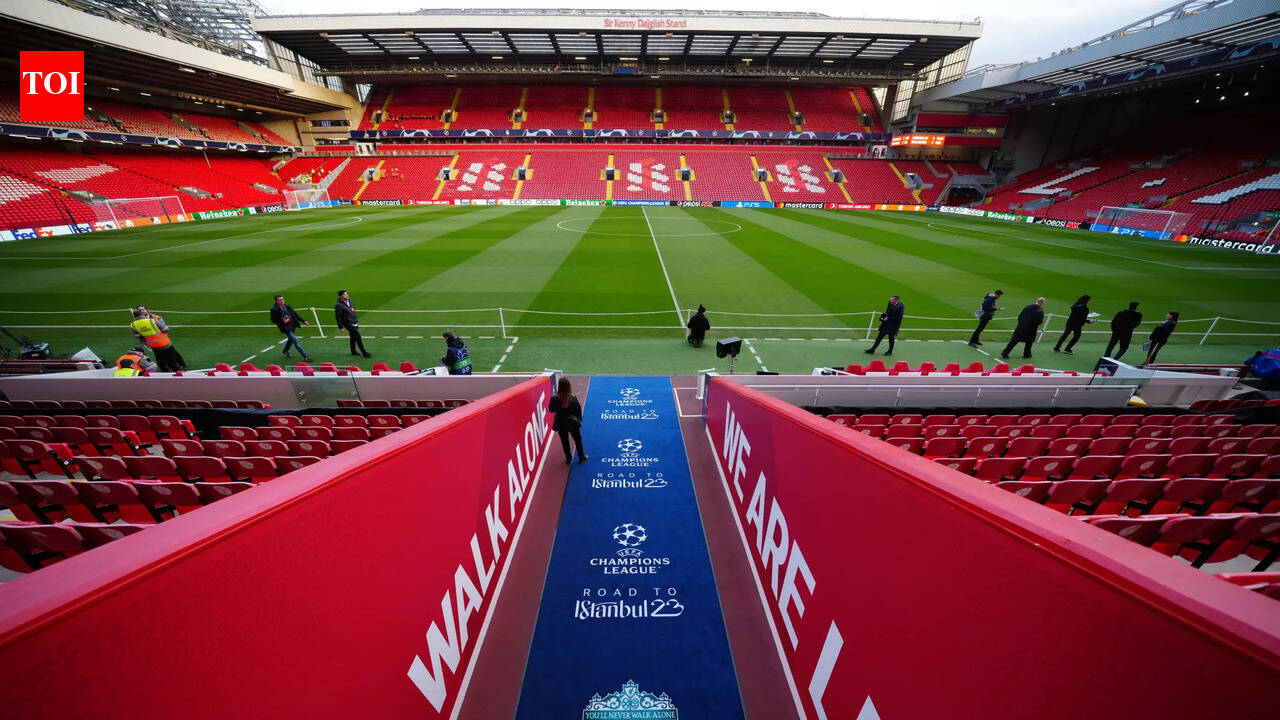
UEFA’s decision to bar Liverpool from hosting Real Madrid at Anfield in 2026-27 is not a rule enforcement — it’s a self-inflicted wound on the competition’s soul. The Champions League has always sold itself as the ultimate stage where history breathes, yet the governing body just looked at the most storied fixture in modern European football and decided the venue doesn’t fit its spreadsheets. This is regulatory rigidity masquerading as progress, and it diminishes the very product UEFA claims to protect. Anfield is not a compliance problem. It is the cathedral where Liverpool’s European identity was forged, and banning Real Madrid from that stage turns a must-see quarterfinal into a corporate relocation, stripped of the terrifying intimacy that makes the tournament matter.
The evidence is already on the pitch. Watch the way Vinícius Júnior’s shoulders drop when the Anfield Kop raises the volume during “You’ll Never Walk Alone.” Remember how Jurgen Klopp’s Liverpool, with Mohamed Salah sprinting down the right and Virgil van Dijk marshaling the backline, turned a 3-0 deficit against Barcelona into a 4-0 miracle — not because the pitch was wider or the dressing rooms newer, but because the ground itself became an eleventh man. That is not nostalgia; that is competitive advantage, and UEFA’s uniformity drive is sterilizing it. The same body that happily broadcasts Liverpool vs. Real Madrid as a global super-event is now refusing to let that event happen in the exact location that gives it meaning. Meanwhile, Ancelotti’sReal Madrid — a club built on its own aura at the Santiago Bernabéu — knows perfectly well that atmosphere is tactical. If UEFA truly wanted sporting integrity, it would never neuter the home advantage that separates the Champions League from a neutral-site summer friendly.
The implication is more dangerous than one missed tie. By prioritizing bureaucratic venue standards over the historical soul of the competition, UEFA is signaling that every club is replaceable, every ground is interchangeable, and the players who create the drama are just content providers. This isn’t about health and safety; it’s about control. Anfield’s unique geometry, standing fans, and narrow touchlines don’t endanger anyone — they endanger UEFA’s desire to package every match into the same sanitized, televisual template. Once you ban the greatest atmosphere in European football to protect a rulebook, you are no longer governing a sport; you are managing a franchise. And the next step will be moving finals to arbitrary locations, expanding the group stage until fatigue blurs every squad, and pretending that a competition without Anfield on its