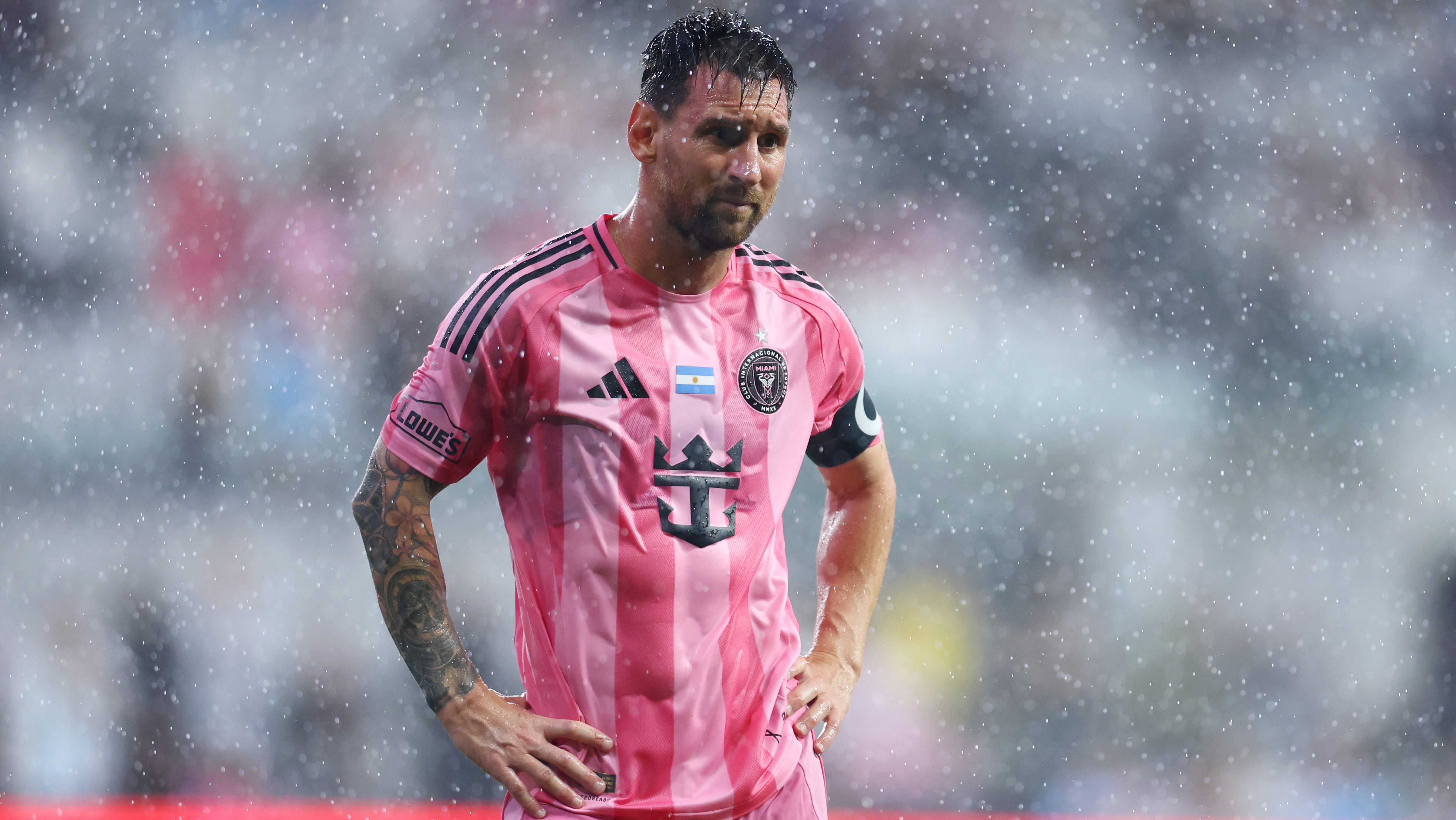
Lionel Messi should never have been on the pitch for that final, high-octane match against the Philadelphia Union, and Inter Miami’s decision to start him was a cynical display of commercial calculation masquerading as sporting ambition. The club’s leadership, from managing owner Jorge Mas to coach Tata Martino, knows that their 37-year-old icon carries a fragile hamstring and a chronic load history that screams for restraint. Yet they rolled him out for a 6‑4 track meet—a chaotic, transitional game that demanded explosive sprints, sudden stops, and repeated high‑velocity changes of direction. That is not a match for a player preserving his body for a World Cup; it is a glorified testimonial where the only thing being sacrificed is Messi’s 2026 availability.
The evidence was there for anyone who watched the 73rd minute. Messi pulled up after a non‑contact acceleration, grabbed his left hamstring, and gestured to the bench with the resigned frustration of a man who knew this was coming. He had already played 72 minutes in a game that saw ten total goals, constant counter‑attacks, and a Union side willing to run through him. Martino had three substitutes available, yet he waited until the injury forced his hand. This wasn’t a freak accident; it was the predictable outcome of ignoring a calculator. Messi had logged over 2,400 minutes for club and country in the previous ten months, including a demanding Copa América and a grueling MLS stretch. Philly’s press—led by Quinn Sullivan and Daniel Gazdag—targeted his space directly. The result: a player who should be pacing himself toward 2026 is now limping through a recovery window that cuts into his off‑season buildup. Miami sold tickets, sold merchandise, and sold the illusion that any regular‑season match is worth risking Argentina’s heartbeat.
The implication is stark and damning. Argentina’s 2026 World Cup hopes are built on Messi’s ability to manage his minutes and arrive healthy for the group stage. Every reckless MLS start, every unnecessary 90‑minute slog, chips away at that foundation. Miami sold its soul for a few regular‑season points and a full stadium against Philadelphia, but the real price will be paid in July 2026, when Messi is either sidelined or visibly diminished. This club has no long‑term incentive to protect him—they need his star power now to justify their payroll and build their brand. But the league, the federation, and the World Cup organizers should be furious. Inter Miami is effectively stealing from the global game, prioritizing a mid‑table playoff push over the integrity of the sport’s biggest tournament. Here is the forecast: Messi will miss Argentina’s first training camp of 2026 due to a recurrent soft‑tissue issue traced directly back to this disgraceful October night in Chester. And