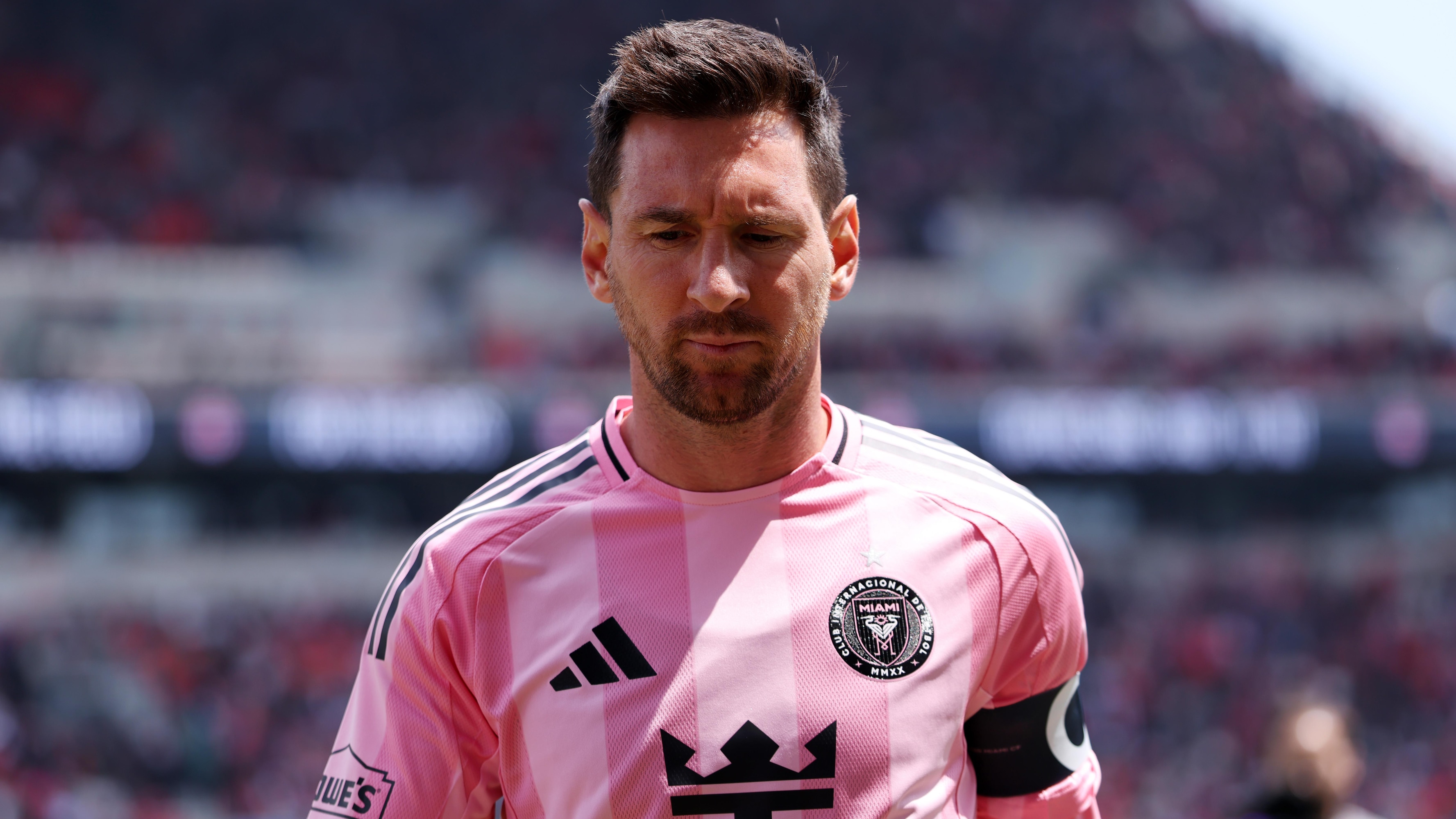
The $28.3 million gap between Lionel Messi and Son Heung-min isn’t an outlier—it’s the obituary of MLS’s founding promise. When Inter Miami pays Messi more than double what LAFC pays Son, the league isn’t bending its rules; it’s admitting that parity was always a marketing slogan, not a governing principle. The salary cap, once the sacred guardrail against the financial chaos of Europe’s super-clubs, has become a prop in a theater of competitive fairness. This chasm, laid bare in the 2026 wage data, proves that the cap now exists only to mask the permanent, two-tiered class system that MLS has chosen to embrace.
The evidence is on the field and in the ledgers. Messi’s $28.3 million annual compensation—roughly six times the league’s designated player max—comes courtesy of ownership groups that treat MLS as a loss leader for global brand equity. When Inter Miami CEO Jorge Mas signs players like Sergio Busquets and Jordi Alba with side deals in media rights and equity, the salary cap is politely ignored. Meanwhile, LAFC’s Son Heung-min—a legitimate global star with a Golden Boot resume from Tottenham—must accept a salary that barely cracks seven figures because his contract is bound by the same cap rules that purportedly limit everyone. Watch a match: Messi walks to free kicks under a Miami sun soured by no roster restrictions, while Son sprints for 90 minutes carrying a club that can’t surround him with a second DP of equal wattage because the cap’s loopholes are reserved for the Miami-Chicago-Atlanta echelon. The parity model didn’t die—it was euthanized by owners who realized that chasing European attention meant sacrificing the very mechanism that made MLS distinct.
The implication is corrosive: the salary cap is now a regulatory relic, like a stop sign at a highway on-ramp. It slows traffic only for those who respect it, while the super-clubs simply drive around. This isn’t a bug; it’s a conscious strategy from MLS headquarters. Commissioner Don Garber has overseen a pivot from “one league, one standard” to a system where the top four or five markets operate under a separate, unwritten set of rules—call it the “Messi Waiver.” The rest of the league, from Columbus to San Jose, is left fighting for mid-table scraps while their best players eye the exits to Saudi or Europe. The GAM and TAM spreadsheet games are now wallpaper. When a team like the New York Red Bulls cannot retain a homegrown star because his cap hit would freeze roster construction, while Miami carries three DP-level players plus U-22 slots plus a legend making more than the entire starting XI of CF Montréal, the league has functionally admitted that competitive balance was a transitional phase—not a destination.
Here is the verdict: within three seasons, MLS will be forced to scrap its current cap structure entirely and adopt a luxury-tax model that simply formalizes the class divide. The Son-Messi wage gap is not a scandal; it is a signal. The boardroom has chosen the Miami-Atlanta-LA axis over the founding parity promise. The next collective bargaining agreement will not close the gap—it will write the two tiers into law. Matches between the haves and have-nots will feel like UEFA Champions League group-stage mismatches, not the gritty, unpredictable contests that once defined the league. MLS will survive, even thrive, on