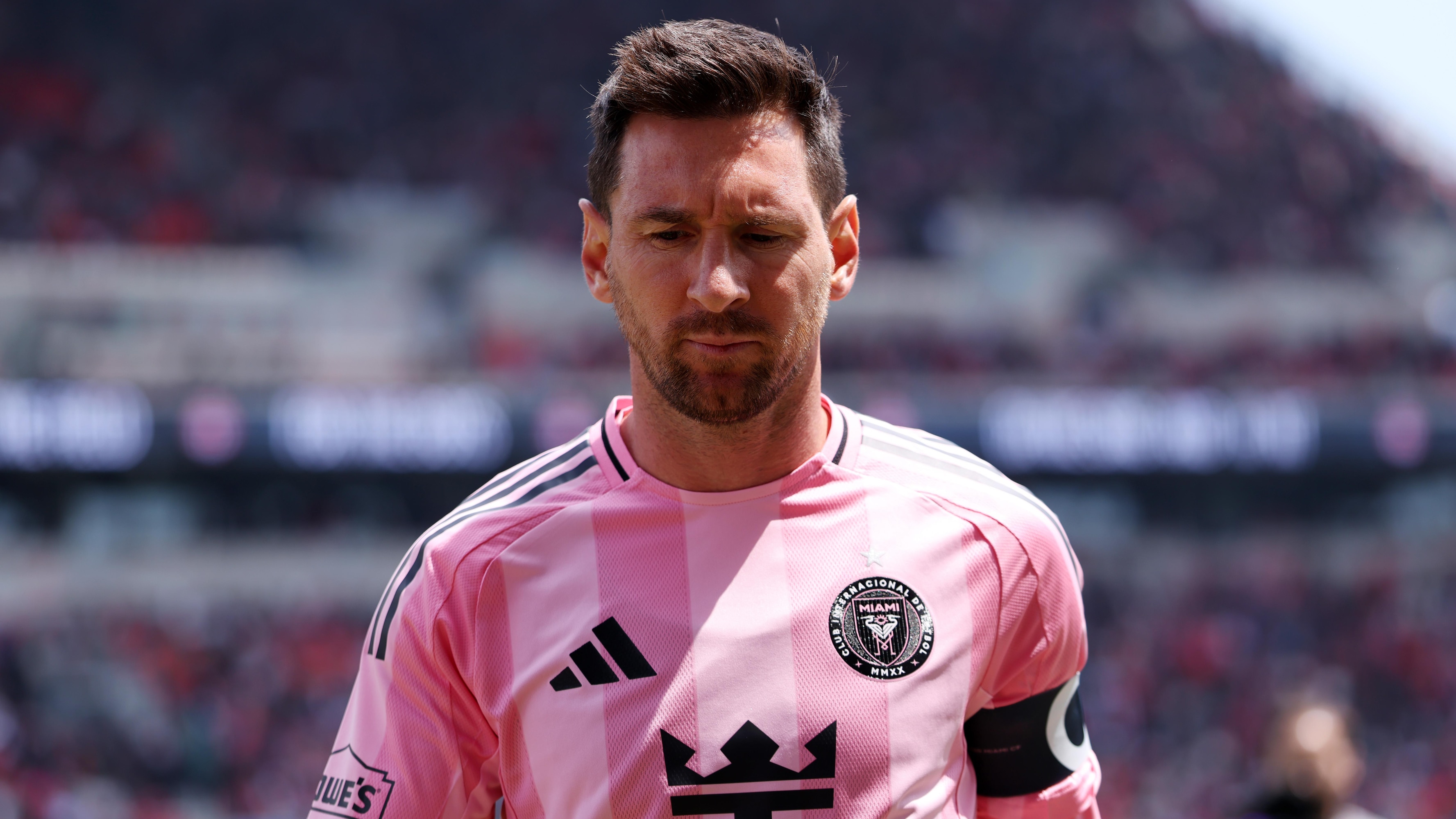
The staggering $28.3 million salary gap between Lionel Messi and Son Heung-min is not an outlier—it is a regulatory surrender, proof that MLS has gutted its own founding principle of competitive parity. When Son signed with LAFC in 2025, the club paid a reported transfer fee north of $20 million and handed him a contract worth roughly $13 million per year. That made him the second-highest earner in the league. And yet he earns less than half of what Inter Miami pays Messi. The salary cap was designed to prevent exactly this kind of tiered reality. Instead, MLS has turned the cap into a decorative line item, waived aside by the designated player exception that was supposed to be a limited tool—not a license for permanent class stratification. Messi’s $28.3 million is more than the entire payroll of six MLS teams. That isn’t competition. That is a sponsorship in cleats.
This chasm is not an accident of free agency. It is the logical endpoint of a league that decided star power matters more than structural integrity. When MLS introduced the Beckham Rule in 2007, it sold fans on a trade-off: allow a handful of transcendent talents to bypass the cap, and the league’s credibility would grow. That bargain has now collapsed. The designated player slot was meant to be an exception, not a way to sign a single player for more than the combined wages of the next three highest-paid players on your own roster. Look at the numbers: Messi’s salary is nearly 2.2 times Son’s. It is four times what LAFC pays Denis Bouanga. It is seven times what Minnesota United pays its entire starting XI. The gap does not reflect market dynamics—it reflects a regulatory waiver that has become a permanent subsidy for one club. Inter Miami didn’t find a loophole; MLS handed them the key to the vault.
The consequence is on the pitch every week. When Miami hosts a team like Chicago Fire or FC Cincinnati, the game is not a contest—it is a parade. The salary gap manifests in ball movement, defensive structure, and the simple reality that Messi can jog through 70 minutes and still produce a moment that no opponent can match. Son Heung-min can score a hat trick in the Leagues Cup and still be the second-best player in the stadium if Messi is on the other sideline. That is not parity. That is a league that has abandoned its identity for a billboard. MLS commissioner Don Garber once called the salary cap the “cornerstone of the league’s competitive balance.” That cornerstone is now rubble. Unless the league introduces a genuine luxury tax—one that forces clubs like Miami to pay a dollar-for-dollar penalty