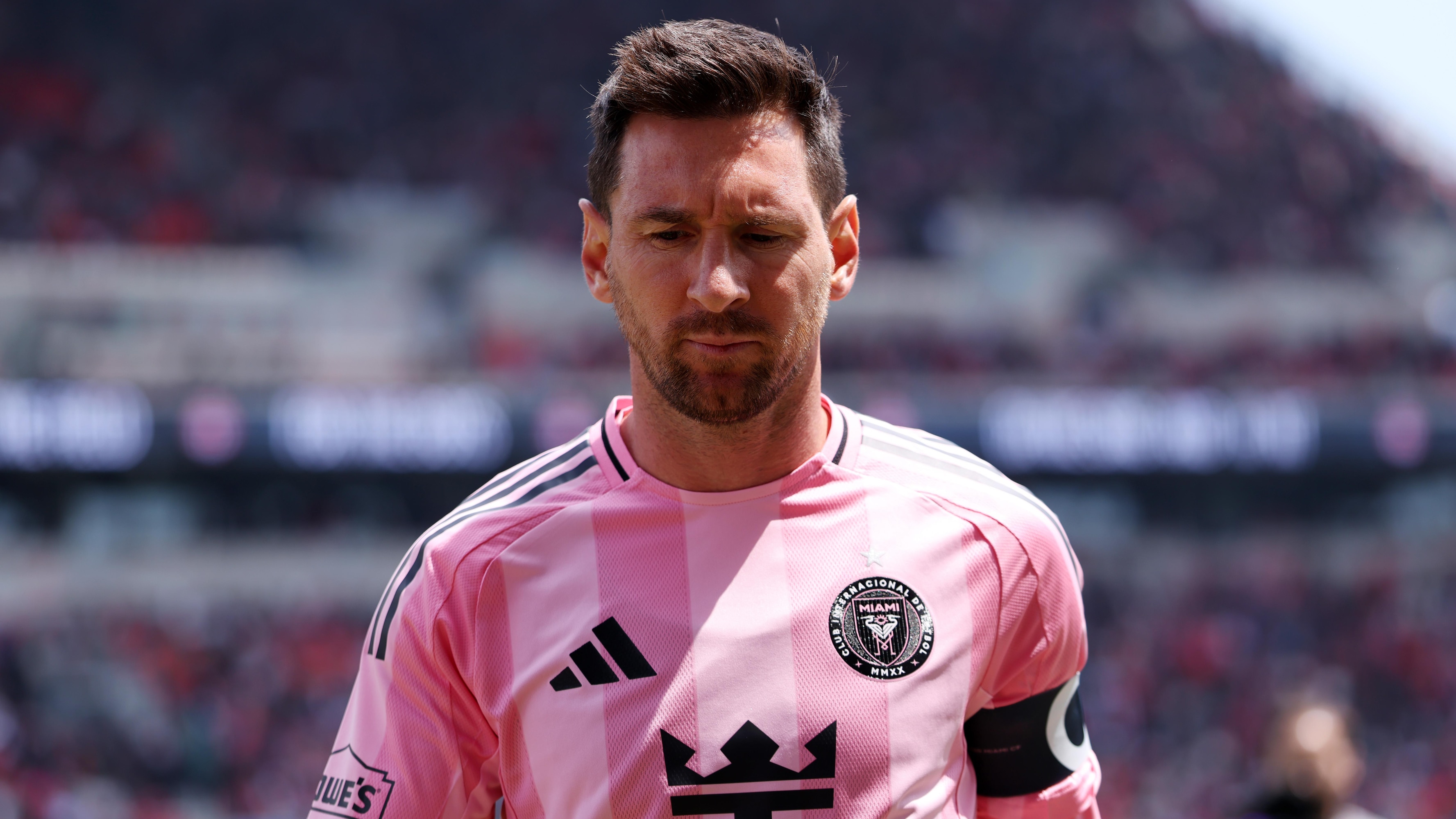
The $28.3 million salary chasm between Lionel Messi and Son Heung-min is not an anomaly—it is a regulatory surrender, proof that MLS has shredded its founding promise of competitive balance and installed a permanent two-tiered class system that makes the salary cap a ceremonial relic.
Let’s be precise about what the 2026 salary disclosures reveal. Inter Miami pays Lionel Messi $28.3 million per season—more than double the $11.9 million earned by LAFC’s Son Heung-min. That gap alone swallows the entire payroll of half the league’s rosters. But this isn’t about individual talent; it’s about structural intent. When MLS crafted the Designated Player rule two decades ago, it was marketed as a loophole for aging superstars, a way to inject glamour while safeguarding parity. By 2026, that loophole has become the entire fiscal philosophy. Inter Miami now operates with three DPs—Messi, Sergio Busquets at $9.8 million, and Jordi Alba at $6.7 million—plus a fourth player through the Under-22 Initiative mechanism. Their combined salary outlay for four players exceeds $48 million. Meanwhile, LAFC, despite having Son at nearly $12 million, must squeeze the rest of its roster under a general salary cap that has barely budged in real dollars. Greg Vanney’s team starts a center-back pairing with a combined salary less than what Messi earns in three match weeks.
The implication for the product on the field is unmistakable and damaging. Watch an Inter Miami game at Chase Stadium: Messi drifts, Busquets conducts, Alba overlaps—and the opponents, often starting three players earning less than $200,000 each, simply cannot press or recover. The scorelines aren’t competitive accidents; they are budget forecasts made tangible. MLS Commissioner Don Garber speaks of “raising the tide” for all clubs, but the tide rises only for those with billionaire owners willing to bend the rules through targeted allocation money and discretionary spending. The salary cap now functions as a ceiling for the middle class, while the super-clubs—Miami, LAFC, Toronto FC, and soon San Diego—operate on a different pay scale entirely. David Beckham’s original Miami franchise fee of $25 million now looks like the bargain of the century, precisely because the salary mechanism was engineered to let him and his partners turn the club into a loss-leading spectacle rather than a sports enterprise.
Here is the forward-looking verdict, and it is not pretty: Within three years, MLS will either eliminate the salary cap entirely or double the number of Designated Player slots to four or five per club, and the league will bifurcate openly into a luxury-tax-fuelled elite and a permanent developmental tier. The “Messi-Son gap” is not a bug in the system—it is the system itself, finally unmasked. The old dream of parity died the moment Beckham’s free kick curved into the net in 2007. What remains is a league that has chosen entertainment over equity, one where the salary cap is no longer a shield but a headstone for the principle that every club’s fans could believe in fairness before the first kick.