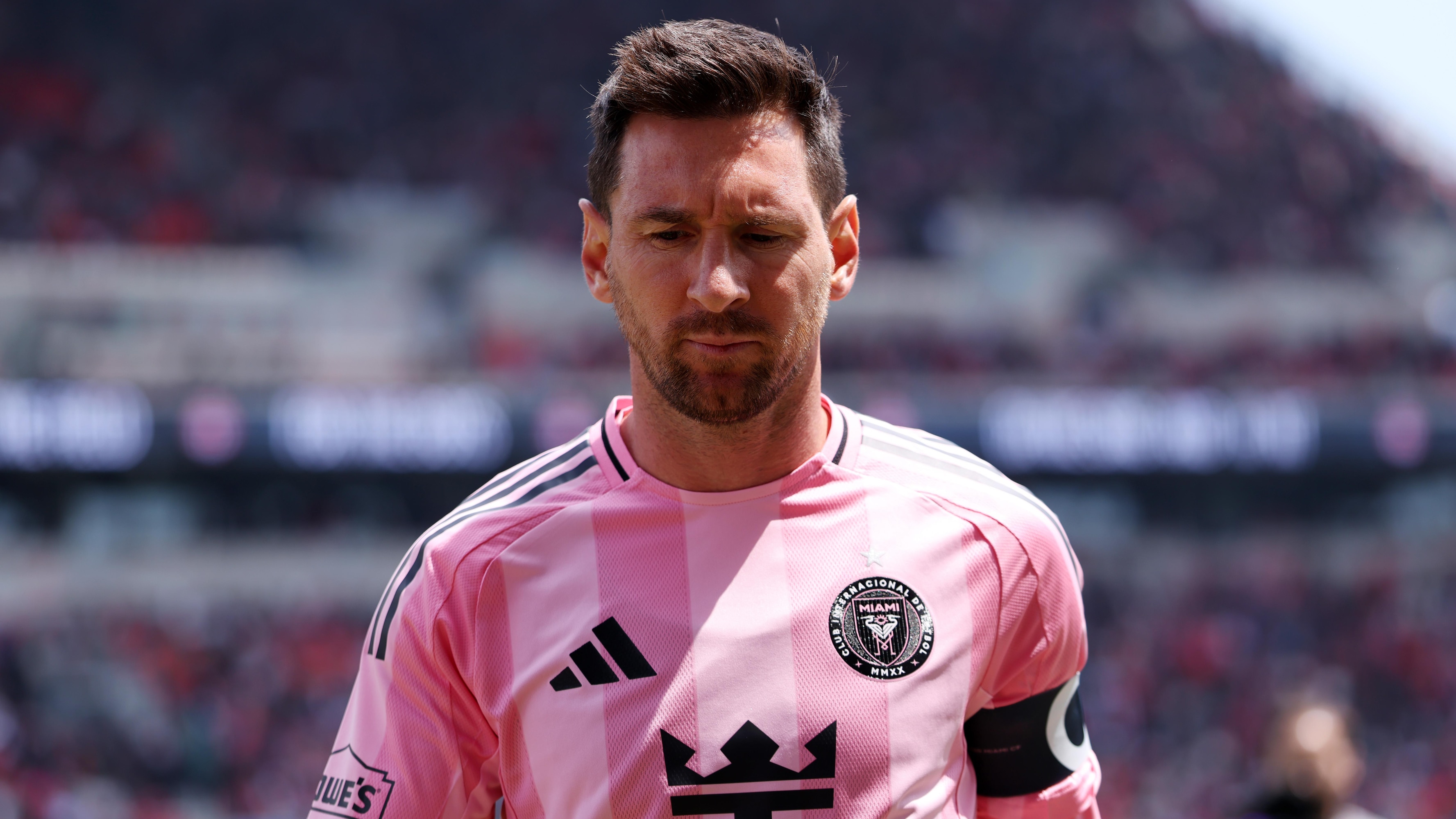
Inter Miami’s reliance on Lionel Messi is not a strategy—it’s a gamble that is already coming undone at the seams. For all the glowing headlines, the 5-3 win in which Messi delivered a brace was not a showcase of a mature MLS dynasty; it was a fire drill. The club conceded three goals at home, relied on individual brilliance to outscore an opponent, and celebrated a result that should have been deeply worrying for anyone paying attention to the structural rot beneath the surface. Winning is not the same as building, and Miami has confused the two.
The resignation of Javier Mascherano just months after lifting the MLS Cup is the smoking gun. Mascherano—a legendary figure in his own right—was handed a squad with a $28.3 million annual salary cap hole dedicated to one player, and then was expected to forge tactical coherence, youth development pipelines, and a defensive identity. He failed, but the system failed him first. Miami has cycled through coaches at a dizzying rate, no different from the expansion era when wins were scarce and ambition was cheap. The difference now is that Messi’s brilliance masks the gaping organizational void. No coach—not Tata Martino, not Mascherano, not whoever follows—can implement a philosophy when the roster is built as a tribute band for one superstar. The salary structure is unsustainable: one man earns more than most entire starting XIs in this league, while the backline that shipped three goals against a mid-tier side is patched together with veteran castoffs and loan gambles.
The implication is stark: Inter Miami is not building a soccer institution; it is operating a touring circus with a guaranteed headline act. Winning the MLS Cup with Messi is a triumph of individual will, not organizational health. The moment his production dips—and at 37, that moment is approaching faster than the front office wants to admit—the house of cards collapses. Mascherano’s resignation should not be read as a personal failure, but as a referendum on a club that prioritizes box office over blueprint. The next manager will inherit the same structural instability: a roster built around one irreplaceable player, a system that bends to his whims, and a boardroom that mistakes attendance figures for long-term health. Unless Miami invests in a coaching structure that outlasts Messi’s tenure, recruits defenders who can hold a line without his presence, and commits to a playing identity independent of a single Argentine god, the dynasty will evaporate the moment he hangs up his boots. My prediction: the next coach will be gone within eighteen months, and Miami will waste Messi’s final seasons chasing short-term glory while the foundation rots. A club that cannot build beyond its star is not a club—it is a mirage.