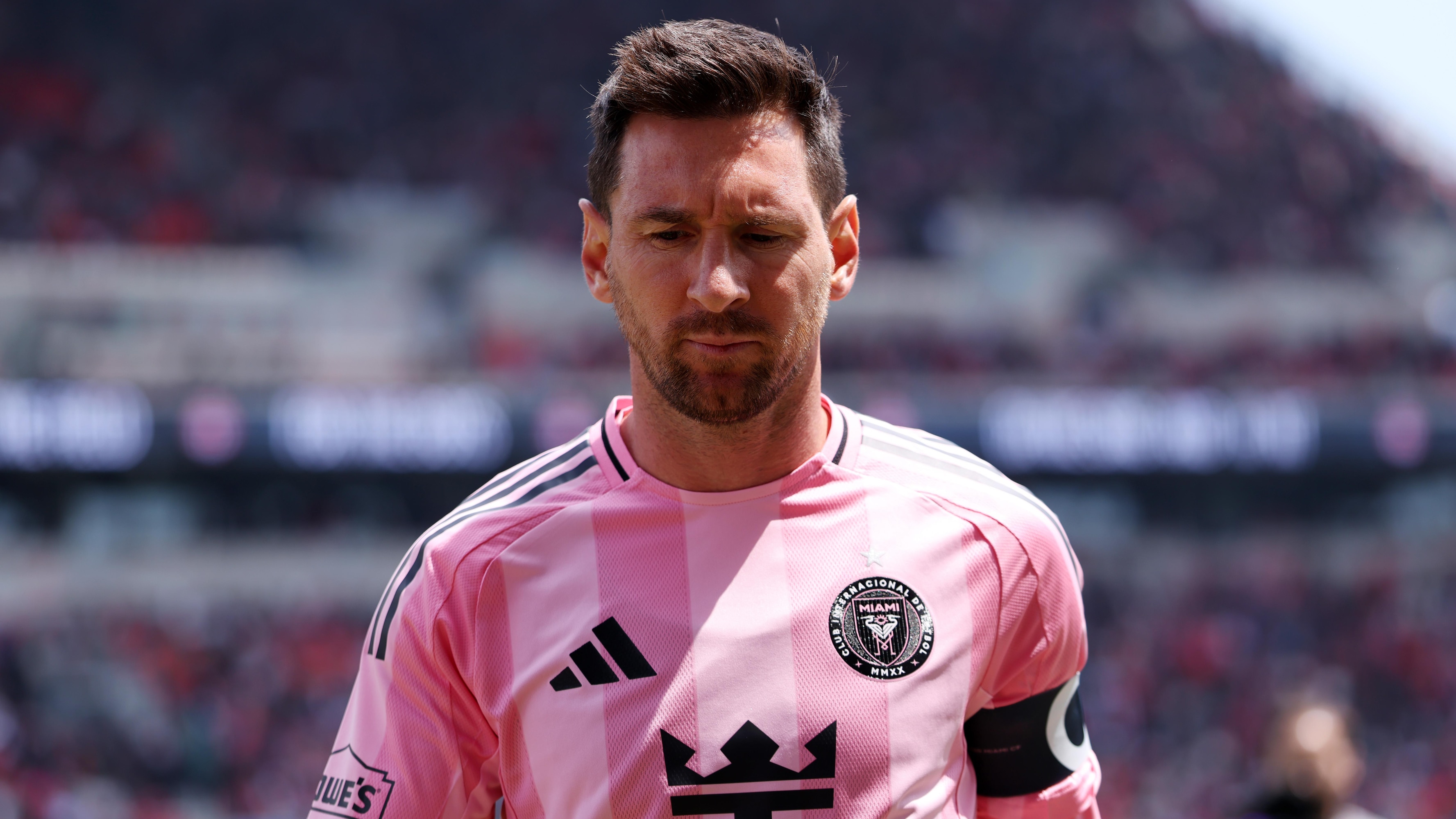
The Messi-fication of MLS is officially a financial trap, and the league’s 2026 salary data exposes the rot beneath the glitz. When Lionel Messi pockets $28.3 million — more than double the paycheck of LAFC’s Son Heung-min — it’s no longer a marquee signing; it’s a structural distortion that undermines the very parity that built this league’s credibility.
Look at the on-field consequences. Inter Miami, despite Messi’s individual brilliance, remains a defensive mess — a top-heavy roster that crumbles when its aging superstars run out of legs. Meanwhile, LAFC, with Son on a mere fraction of Messi’s wage, still fields a deeper, more balanced squad that won the 2025 Supporters’ Shield. The data is damning: eight teams now pay over $10 million to a single player, while nearly half the league’s rosters scrape by on salaries below $200,000. This isn’t an arms race; it’s a pyramid scheme. Clubs like Toronto FC and the Chicago Fire, chasing a Messi-like savior, have instead trapped themselves with aging DPs whose functional output rarely matches their bloated contracts. Watch a match between Miami and Nashville, and you’ll see one man demanded to be the hero while the other team moves the ball with collective purpose. That’s not entertainment — it’s a flaw designed by accountants, not coaches.
The league’s front office has convinced itself that individual brand equity drives TV ratings and jersey sales, but the long-term cost is a diluted product. When a superstar goes down — as Messi did for two months in 2025 — Miami becomes a mid-table side with no plan B. The parity that once made MLS unique, where any team could beat any other on a given night, is being quietly sacrificed for highlight reels. Managers like Tata Martino and Steve Cherundolo are forced into tactical straitjackets, building systems around one irreplaceable talent rather than fostering team cohesion. And the worst part? The salary cap, already full of loopholes, has become a joke. The so-called “U22 Initiative” and TAM mechanisms were designed to reward smart spending, but now they’re simply used to launder money toward a handful of stars while the rest of the league’s talent pool stagnates.
Here’s the verdict: If MLS does not impose a hard, enforceable salary ceiling on individual players — or, better yet, a revenue-sharing model that rewards depth over celebrity — the league will bifurcate into a handful of glittery, top-heavy franchises and a stagnant middle class that drives away young domestic talent. The 2026 data isn’t a snapshot; it’s a warning. The Trap has been set. Either the league tears it down, or within three seasons, the parity that made MLS watchable will be a footnote — and so will its credibility.