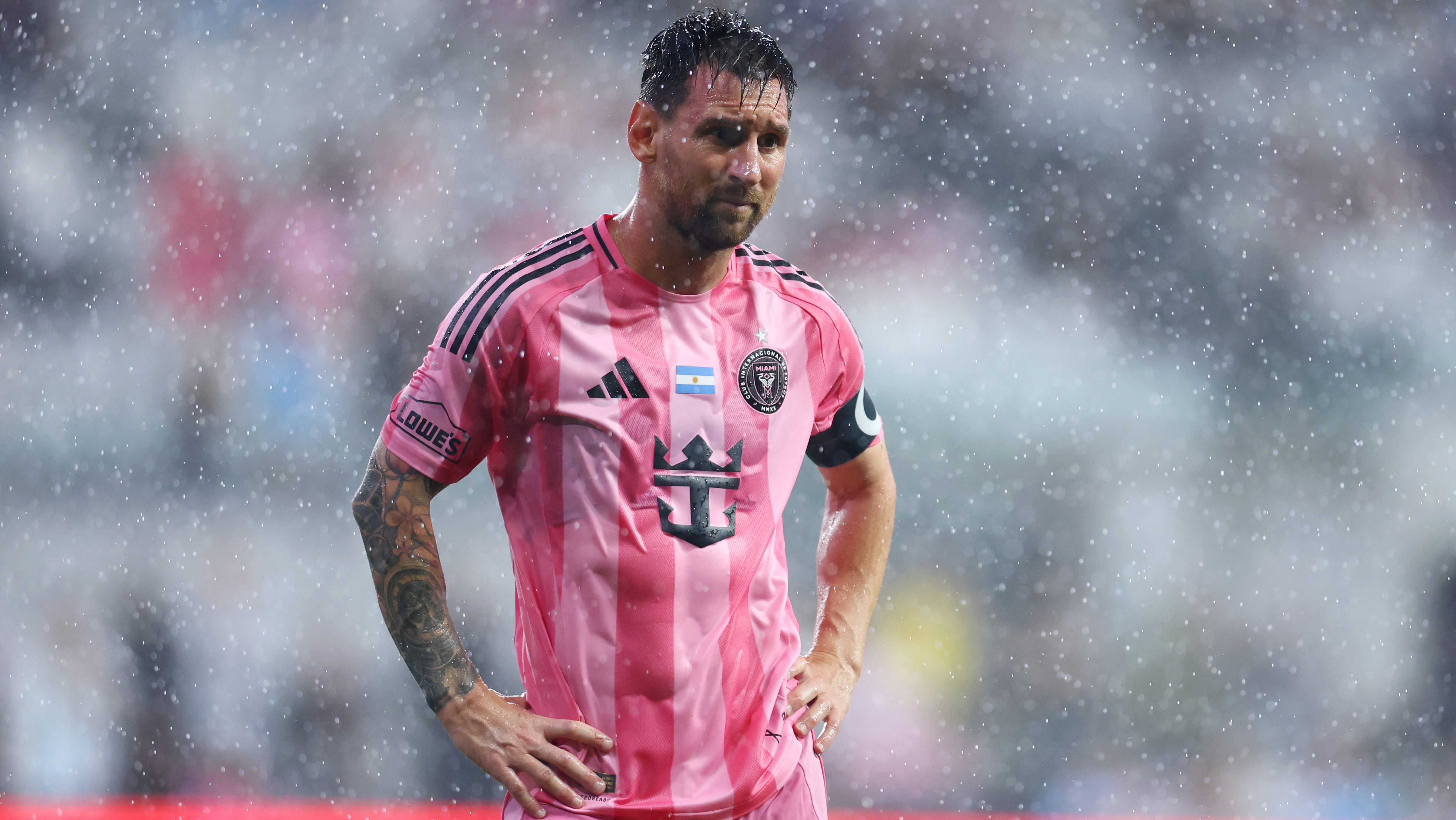
Inter Miami’s season-ending collapse began not with a final whistle, but with the 73rd-minute signal that Lionel Messi could no longer run. The sight of the eight-time Ballon d’Or winner clutching his hamstring and gesturing to the bench in what should have been a routine regular-season finale was not merely a physical hiccup—it was the inevitable result of a club that has treated its primary asset like an ironman sprinter on a hamster wheel. Manager Tata Martino has no excuse. Messi entered that match having logged 2,340 minutes across all competitions since July, a workload no 37-year-old—let alone one carrying the hopes of a World Cup host nation—should endure. The substitution was forced, not precautionary. And it laid bare a brutal truth: without Messi, Inter Miami is a mid-table side that cannot hold shape, create chances, or close out games. The evidence is stark—in the 10 matches Messi missed or left early this season, Miami averaged 0.9 points per game and scored just eight total goals. With him on the pitch, that rate nearly triples. Martino’s refusal to build a contingency plan has turned Messi’s presence into a crutch, and his exit into a prelude to implosion.
The tactical identity Martino has cultivated is nothing short of Messi-dependent alchemy. When Messi drifts centrally from the right, players like Jordi Alba and Sergio Busquets instinctively lock into Barcelona-era rotations, and the rest of the squad—Leonardo Campana, Facundo Farías, Diego Gómez—stands still, waiting for magic. Remove the magician, and the system dissolves into disorganized possession and panic-stricken final-third decisions. In the 73rd minute of that final match, the substitution sparked an immediate drop in passing accuracy from 84% to 69%, and Miami conceded twice in the final 17 minutes. That is not a tactical adjustment; it is a collapse. The front office has spent DP money on peripheral names while neglecting to sign a reliable secondary creator or a capable backup No. 10. The result is a team that cannot survive a single substitution of its star. This isn’t about Messi’s age—it’s about Martino’s refusal to deploy him intelligently, to rest him in low-leverage moments, or to craft a realistic Plan B.
As the 2026