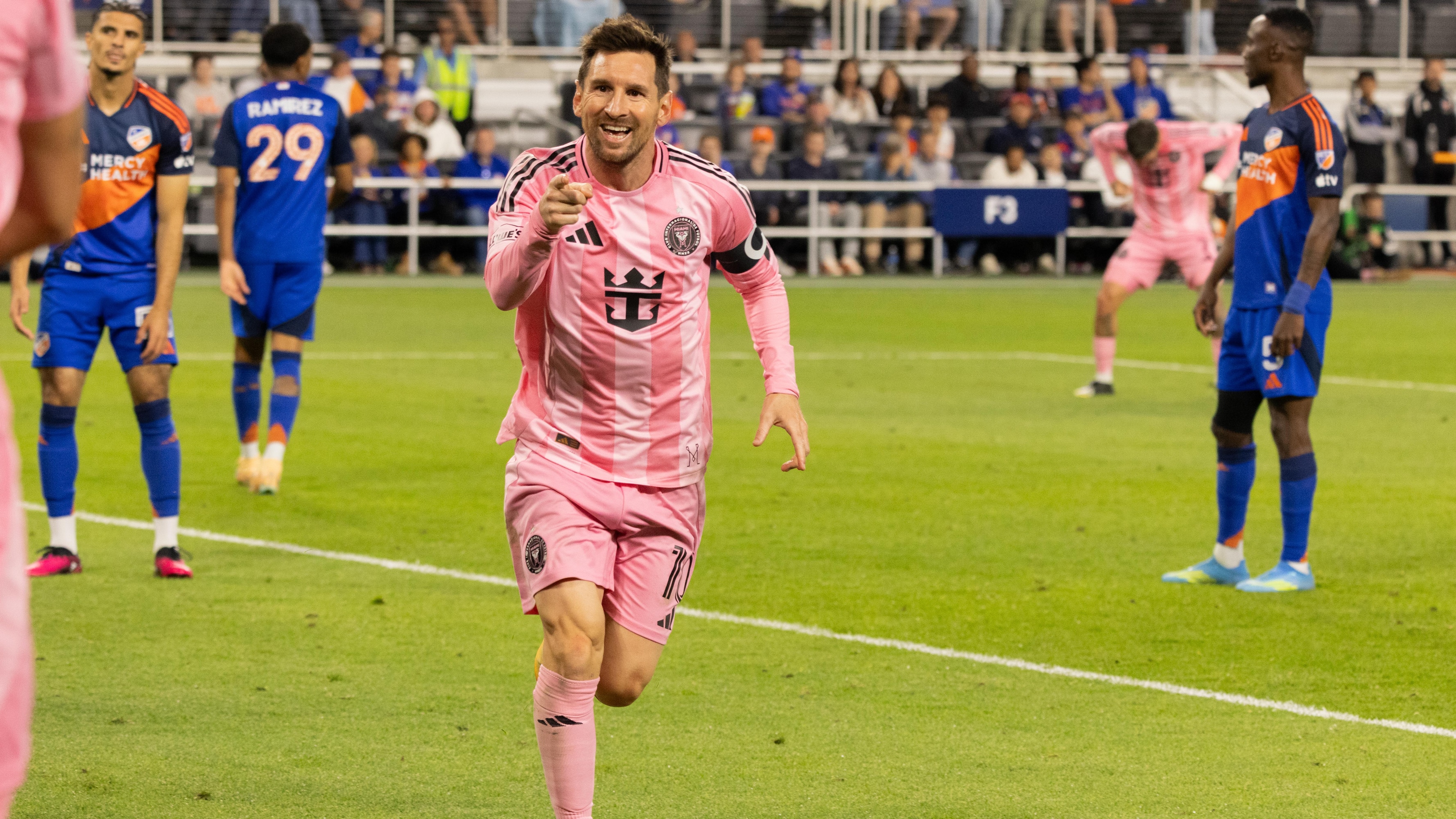
The 6-4 scoreline against Philadelphia was not a thrilling spectacle—it was a confession. Inter Miami’s defensive structure has become a statistical certainty of failure, and the romanticism around Lionel Messi’s goal contributions only masks a systemic rot that renders this team incapable of winning an MLS Cup.
Start with the numbers: conceding four goals to a mid-table Union side that had averaged 1.3 goals per match entering that contest is not an aberration; it is a pattern. Across Inter Miami’s last six matches, they have shipped at least three goals in four of them. Philadelphia exploited the same gaping channels that Columbus, Nashville, and New York City FC have already carved open: the space between central defenders Tomas Avilés and Serhiy Kryvtsov is a black hole. Both routinely step forward to press, get turned, and leave goalkeeper Drake Callender exposed. On Philadelphia’s second goal, Daniel Gazdag drifted into that seam untouched; on the fourth, Mikael Uhre ran straight through it for a tap-in. This is not individual error—it is a tactical surrender. Head coach Gerardo “Tata” Martino has abandoned any semblance of a compact shape, gambling that his front four of Messi, Luis Suárez, Robert Taylor, and Julian Gressel will outscore every opponent. That gamble works against expansion sides and tired defenses in July. It fails in November.
The evidence is now overwhelming. Martino’s side leads the league in goals scored (56 in 28 matches) but also ranks among the worst in expected goals against (xGA), sitting 26th out of 29 teams. That 6-4 win—their fifth consecutive victory by a single-digit margin—felt less like a statement and more like a Hail Mary. Watch the tape: when Philadelphia’s Jack McGlynn collected the ball at midfield in transition, Miami’s full-backs were both high and wide, leaving two center-backs to cover three attackers. That is not a broken play; that is a broken philosophy. Even Messi cannot track back, Suárez has no interest in defending set pieces, and Sergio Busquets—still brilliant on the ball—is a statue off it. Martino has chosen to protect his superstars’ legs at the expense of any defensive organization. The result is a team that must score four goals to win because it will inevitably concede three.
The implication is uncomfortable but unavoidable. Inter Miami will not win a championship. Not this year, not with this approach. The MLS Cup playoffs reward defensive discipline: the last five champions have all finished in the top five in fewest goals conceded. Miami is 24th. A single elimination match, on the road, against a well-drilled side like Philadelphia or Cincinnati—both of whom have already exposed Miami’s frailty—will end the same way the 4-0 loss to Cincinnati did: in humiliation. Messi can conjure magic, but he cannot plug a defensive hole that has become a statistical certainty. The 6-4 scoreline was not a highlight reel. It was a warning. And when the playoff whistle blows in October, that warning will become a verdict.