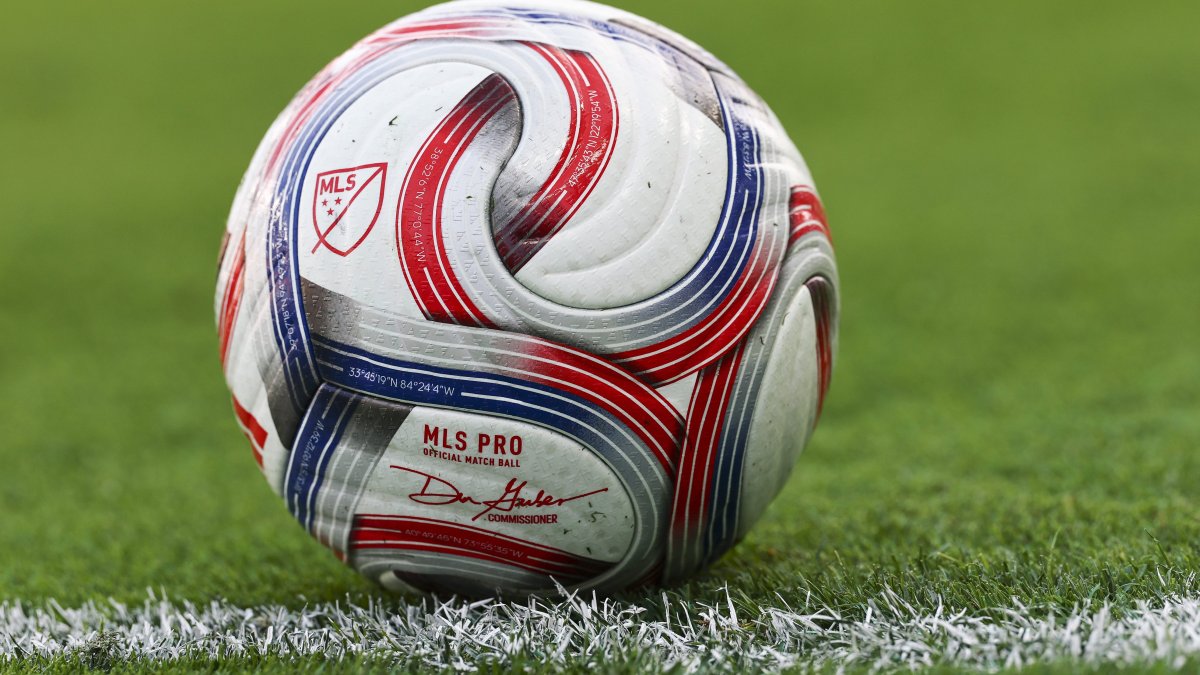
The 2026 World Cup bump is a myth, and MLS is actively sabotaging its own best chance to capture a global audience by scheduling six regular-season matches in the narrow gap between the semifinals and final. Instead of standing aside and letting the world’s greatest tournament—which the United States is co-hosting—build an insatiable hunger for domestic soccer, the league is forcing fans to choose between Lionel Messi’s Inter Miami chasing Supporters’ Shield points and the decisive moments of the World Cup. This is not synergy; it is self-inflicted fragmentation.
Consider the sheer absurdity of the timing: while the world is glued to the semifinal showdowns at MetLife Stadium and AT&T Stadium, MLS will trot out a mid-table clash between the New York Red Bulls and Columbus Crew, and a Galaxy–LAFC El Tráfico derby that should be a marquee spectacle but will instead be buried under World Cup fever. The league is trying to replicate the 1994 boom, when the U.S. hosted and subsequently launched MLS. But that strategy worked because MLS did not exist yet—there was no league to cannibalize its own spotlight. Today, by restarting during the tournament’s climax, MLS is asking its broadcast partners to split screens, its fans to DVR matches, and its most marketable stars—like Miami’s Jordi Alba, Sergio Busquets, and of course Messi—to compete against the sport’s absolute pinnacle. The 1994 bump came from a clean handoff; this is a clumsy tug-of-war.
The deeper problem is structural: MLS’s schedule is a rigid business construct that refuses to bow to footballing logic. Commissioner Don Garber and the league office chose not to pause for the World Cup’s knockout phase, citing momentum and calendar constraints, yet they had four years to plan. The result is a diluted product. A neutral fan who watches Brazil vs. Argentina in the semifinals will not then flip to watch Nashville SC host FC Dallas—the drop-off in quality, stakes, and global resonance is so vast that the comparison only cheapens MLS. Worse, the league is squandering the chance to use the World Cup as a lead-in. Imagine the post-tournament buzz if MLS had a full week of buildup, with national team stars returning to their clubs while the World Cup’s residual emotion still hung in the air. Instead, MLS will be playing catch-up during the final itself—a pathetic attempt to claim relevance by proximity.
Here is the bold prediction: The 2026 World Cup will produce a measurable uptick in U.S. soccer interest, but MLS will capture less than half of it because fans will associate the league with the awkward, forgettable matches that ran concurrent with the tournament’s best moments. By 2027, when the next quadrennial hype fades, the league will be stuck with the same attendance plateaus and stagnant TV ratings it had before. The 2026 “bump” is a myth because MLS refused to let the wave build, opting instead to paddle against it. The only real legacy will be a lesson in how not to leverage a global spotlight.