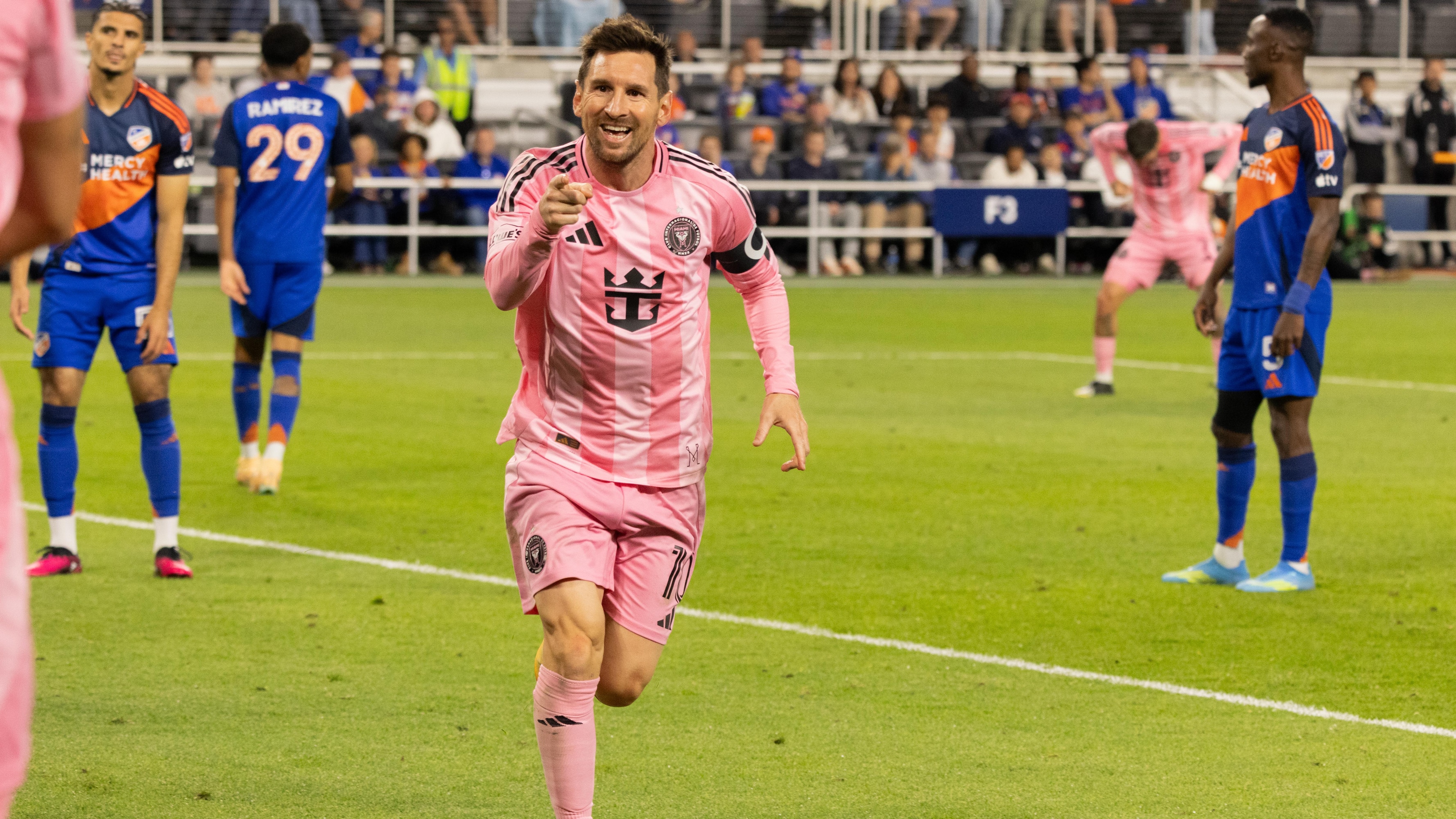
Lionel Messi’s statistical brilliance is nothing more than a glittering bandage on a gaping wound, and Inter Miami’s 5–3 victory over a mid-table side exposed the rot that the Argentine’s 100th goal contribution in record time is now actively masking. The optics are seductive: two more goals, another brace, the fastest player in MLS history to reach a century of goals and assists. But anyone who watched the match at DRV PNK Stadium saw a team that conceded three times to an opponent that entered the night averaging barely a goal per game. Tata Martino’s defensive structure is not merely leaky—it is tactically broken, and Messi’s heroics are the only thing stopping this club from being a playoff footnote.
The evidence is damning. Against a side that rarely generates high-xG chances, Miami’s backline consistently lost its shape in transition and offered no resistance in the central channel. Sergey Krivtsov and Tomás Avilés had no answer to the counter-attacking runs that stretched the pitch, and goalkeeper Drake Callender—usually reliable—looked exposed on crosses that should have been cut out. The three goals allowed were not freak accidents; they were the direct result of a midfield that abdicated defensive responsibility once Sergio Busquets was bypassed. Meanwhile, the fullbacks pushed high without cover, leaving space that Toronto FC’s attackers exploited mercilessly. Martino has no tactical fail-safe beyond asking Messi, Luis Suárez, and Jordi Alba to outscore the chaos at the other end. That approach works against weak opponents but is a ticking time bomb when facing the league’s elite.
The implication is sobering for anyone who believes this Miami side is a genuine MLS Cup contender. Messi’s 100 contributions—a mix of 50 goals and 50 assists in record fashion—are a statistical marvel, but they also highlight a painful dependency: without his individual brilliance, this team would likely be mid-table at best. The past month has seen Miami drop points when Messi was off the pitch, and even when he is on it, the defensive metrics are among the worst in the league for teams in the top four of the standings. The harsh truth is that Martino has built a squad that trades structural solidity for star power, and that trade-off becomes unsustainable in the tight, physical chess matches of the playoffs. Miami will score plenty, but they will also concede more than a championship team ever should. The final verdict? Until Martino fixes this backline—or until the winter transfer window delivers a real defensive midfielder and a center-back with positional discipline—this team will be remembered not as the Messi dynasty but as the one that let a historic individual season vanish into a postseason collapse.