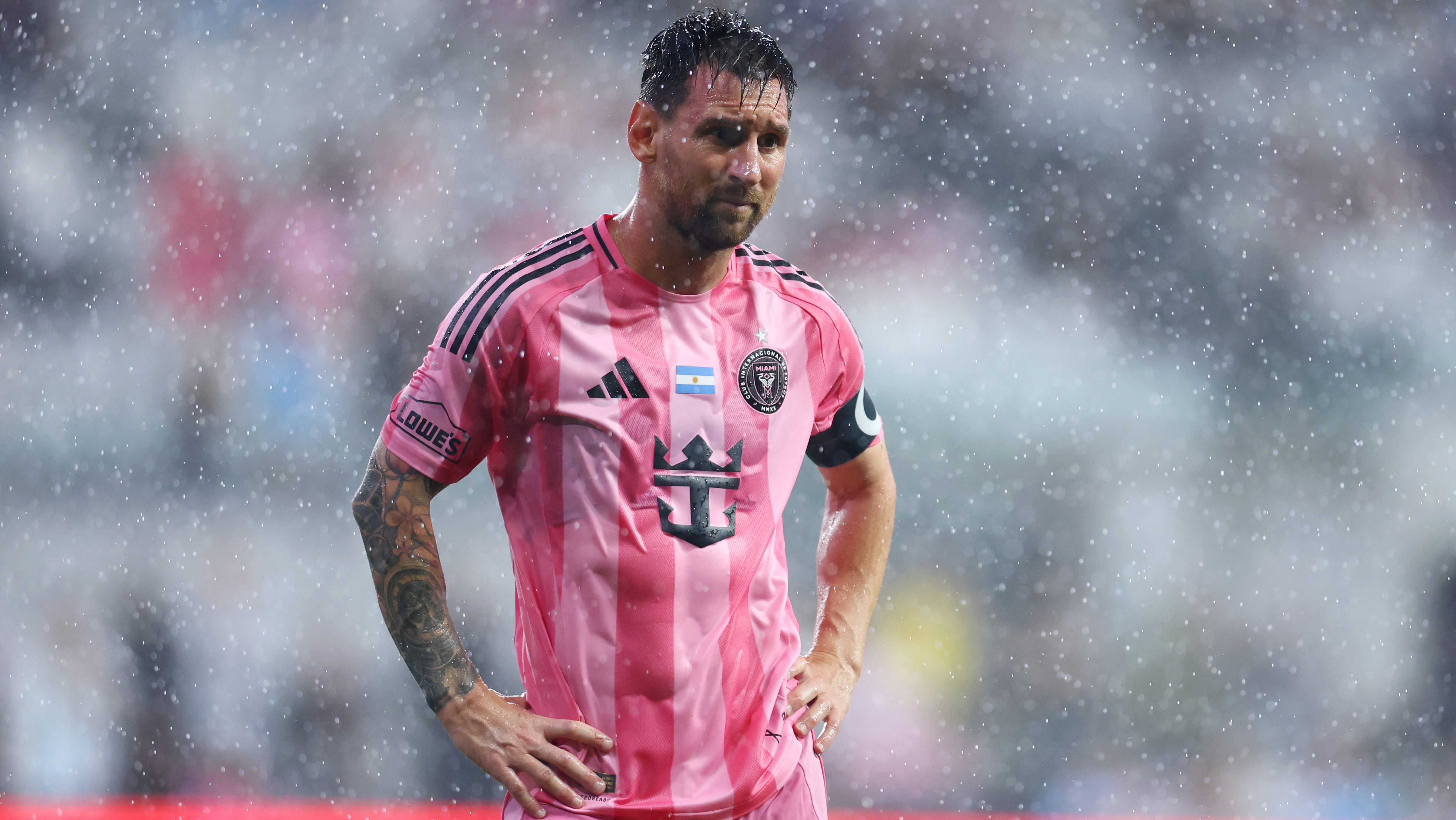
The moment Lionel Messi limped off the pitch in the 73rd minute of Inter Miami’s final regular-season match before the 2026 World Cup, the entire MLS marketing machine shuddered. That single grimace, that quick grab at his right hamstring, was not merely a medical concern—it was a verdict on the league’s entire pre-tournament strategy. For the past two years, Major League Soccer has bet its global credibility on the health of a 38-year-old Argentine who had already logged over 1,200 professional appearances. The injury scare against the New York Red Bulls was a brutal, predictable reminder: a league that pins its World Cup bump narrative on one aging superstar’s hamstring has built its castle on sand.
Let’s be honest about what we saw. Messi had been dazzling, as he often does, linking up with Jordi Alba and Sergio Busquets in the familiar tiki-taka rhythms that made Barcelona legendary. But his sprinting metrics have declined sharply in 2025—his top speed this season is down nearly 8% from 2023, according to the league’s own tracking data. When he pulled up after a routine cut, the Herons’ bench went silent, and so did the crowd of 67,000 at Chase Stadium. Tata Martino, visibly pale, immediately waved for Facundo Farías. The substitution itself was routine; the implications were not. This is the same player who missed 12 matches across all competitions in 2024 due to a nagging ankle issue. Each absence cost the league an estimated $4 million in lost ticket revenue, merchandise sales, and global streaming viewership. If Messi cannot finish matches now, with the World Cup still months away, what happens when the actual tournament arrives and MLS is supposed to be the host league that launched