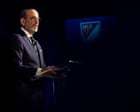
Don Garber has become the worst kind of executive: the one who mistakes his own platform for the pulse of the game. When the MLS commissioner took to X to call British Columbia Premier David Eby a “liar” over a routine political squabble about stadium funding, he wasn’t defending the league—he was airing a personal grievance with the thin veneer of institutional authority. That outburst alone would be embarrassing. But Garber doubled down by publicly defending FIFA’s dynamic ticket pricing for the 2026 World Cup, arguing that market-based surges are “just how modern sports work.” In one week, he managed to insult a province, alienate the very fans who fill seats on summer nights in Vancouver, and signal that MLS leadership no longer understands the difference between a premium product and a predatory one. This is not a PR misstep. This is a philosophy problem.
The irony is that Garber’s digital meltdown unfolded while the league’s actual product—on the pitch—continues to thrive because of grassroots energy, not executive tweeting. Atlanta United’s Miguel Almirón, back from Newcastle, reminded everyone why the South American pipeline still matters, weaving through Portland’s midfield like he never left. LAFC’s Denis Bouanga has been a consistent box-office draw, and the Columbus Crew’s Wilfried Nancy proved against Nashville that tactical sophistication can coexist with attacking flair. Yet none of that organic growth matters if the commissioner alienates the working-class fan who saves for months to bring a family of four to a match. Dynamic pricing for a World Cup that will be hosted partly in MLS venues is a direct slap: the league is comfortable letting resale algorithms squeeze casual supporters while executives posture on social media. When St. Louis CITY fans, who packed CityPark with a 97% capacity rate last season, hear Garber defend surge pricing, they rightly wonder if the league sees them as partners or ATMs.
This disconnect carries real consequences. MLS has spent years cultivating an identity as the accessible alternative to Europe’s corporate fortress. The “No One Stays Home” campaign in Atlanta, the affordable supporter sections in Portland’s Providence Park, the cross-club solidarity shown by the likes of D.C. United’s Christian Benteke—none of that was built by a commissioner calling premiers liars. It was built by people who show up in the rain, who buy scarves, who argue about allocation money at pubs. When Garber defends FIFA’s pricing model, he aligns the league with the very bureaucracies MLS fans resent. The next time a team like Seattle Sounders raises ticket prices, don’t blame the local front office—blame the commissioner who normalized greed as strategy.
Here is the verdict: if Don Garber does not publicly walk back his defense of dynamic pricing and issue a genuine apology to British Columbia’s fan base before the next CBA negotiations, the league will lose the trust that took a decade to earn. The digital meltdown was a symptom. The cure is remembering that MLS belongs to the supporters, not the algorithms. One more tone-deaf tweet, and the grassroots will start voting with their feet—or worse, their absence.