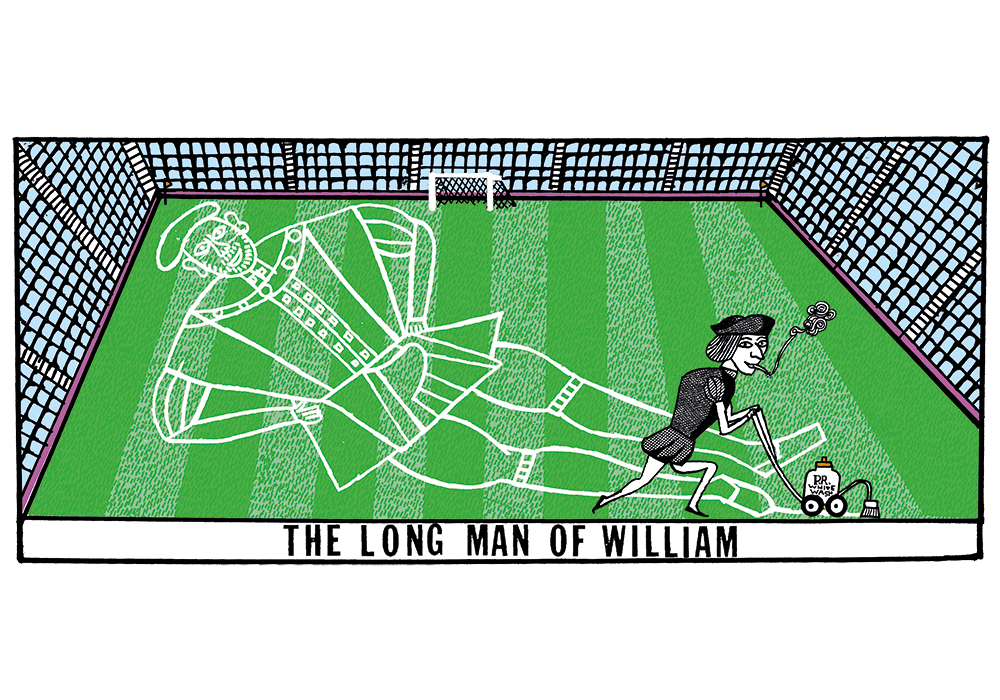
When Aston Villa secured their Europa League triumph, the moment that truly captured the public imagination was not a goal or a trophy lift but the sight of the Prince of Wales belting out “Sweet Caroline” in the stands. That image of William, exuberant and unguarded, spread instantly across social media, a far cry from the stiff, formal portraits of Tudor royalty. Yet as this article argues, the two are not as disconnected as they seem. From Hans Holbein’s meticulously crafted paintings of Henry VIII to a Snapchat story of a dancing heir, the British monarchy has always understood the power of controlling its own image. The medium has changed, but the imperative remains the same: to shape how the public sees the crown.
The shift from oil on canvas to smartphone cameras represents more than technological progress. It is a calculated evolution in royal communications strategy. Where Holbein used allegory and symbolism to project power and piety, today’s palace aides use carefully curated, seemingly spontaneous moments to foster relatability and modern relevance. William’s uninhibited celebration was not accidental; it was a deliberate departure from the stoic reserve of previous generations, designed to humanise the future king. The cameras were welcomed, not resisted, because the monarchy now understands that authenticity, even when performed, is the