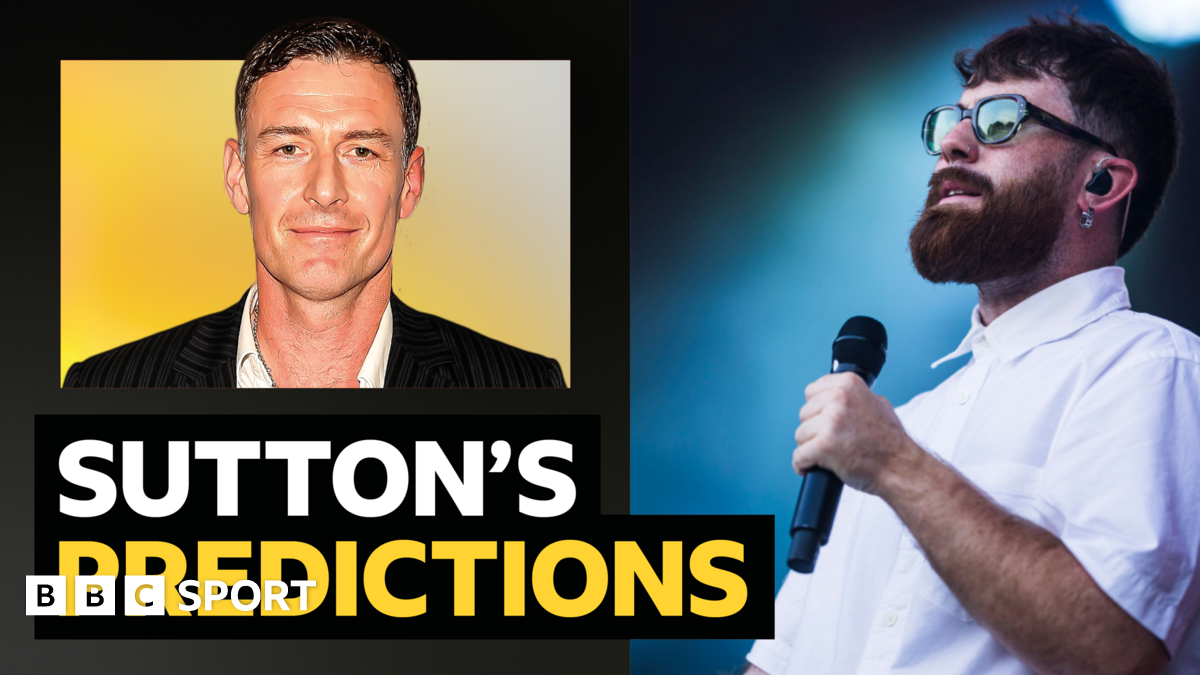
The BBC’s decision to pit Chris Sutton against a pop star for final-day Premier League predictions isn’t harmless fun—it’s a corrosive surrender of sports journalism’s analytical soul. By elevating singer-songwriter Sam Tompkins to equal billing with a former Premier League winner, the corporation signals that match analysis is now a celebrity variety show, not a forum for informed debate. This stunt landed on the most consequential day of the season: Manchester City needed only a win over West Ham to seal a fourth consecutive title, while Arsenal’s thrashing of Everton left them waiting for a miracle that never arrived. Sutton, for all his bluster, has actually played at the sharp end of relegation battles. Tompkins has not. To present them as equivalent voices is an insult to every scout, coach, and player whose livelihood depends on reading the game. The BBC is not enriching the conversation; it is cheapening it, chasing viral clips at the expense of the detailed tactical breakdowns that loyal viewers deserve.
This is not an isolated gimmick. Over the past two seasons, the Beeb has increasingly plugged comedians, actors, and social-media personalities into its football coverage—anyone with a platform and a punchline, regardless of footballing IQ. Compare that to Sky Sports’ decision to pair Gary Neville and Jamie Carragher for the title decider, where they dissected Pep Guardiola’s tactical tweaks—Pep deploying Bernardo Silva in a hybrid left-back role to stifle Mohammed Kudus—and explained why Rodri’s positioning snuffed out West Ham’s transitions. Or consider TNT Sports' use of Rio Ferdinand and Joe Cole, men who can still name the specific drills that shape a team’s press. The BBC’s pivot to entertainment-first punditry is a desperate ratings play, targeting a casual audience that scrolls past thoughtful analysis for a laugh. But the damage is real: when a teenager hears Sam Tompkins picking Manchester United to win at Brighton because “vibes feel right,” they learn that football insight is interchangeable with pop-culture opinion. That is a pedagogical failure for a broadcaster with a public-service mandate.
The implications stretch far beyond one gimmick day. The BBC’s football output