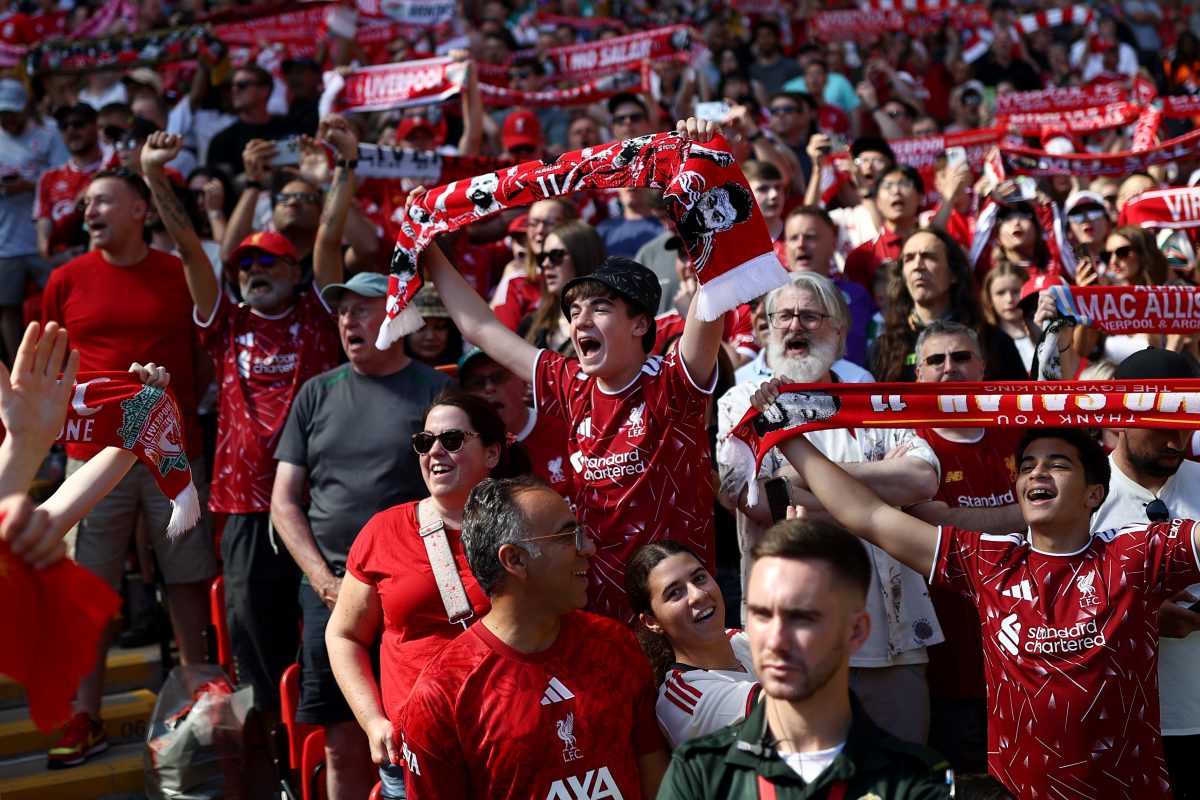
The Premier League is no longer a football competition; it is a portfolio allocation. The voracious appetite for English clubs, confirmed by the investment firm advising Amit Bhatia’s consortium, reveals a league being repackaged as a high-yield asset class, where the balance sheet matters more than the backheel, and where the local supporter is priced out of the decision-making process entirely. This isn’t a takeover trend; it’s a fundamental restructuring of what football means in England.
Just look at the recent evidence. Todd Boehly’s Chelsea has spent over £1 billion on players since 2022, yet still finished mid-table and changed managers like a rookie fantasy owner tinkering with his lineup. That’s not sporting ambition; that’s amortization strategy. Meanwhile, the Glazers extracted dividends from Manchester United while the club’s sporting infrastructure crumbled, and Newcastle’s Saudi-led ownership treats trophies as a revenue diversification tool. Now Bhatia’s group and others are circling, motivated by the same logic: the Premier League’s global media rights are the ultimate safe haven, a guaranteed annual return of broadcast gold. The product itself — the actual football — is just the raw material for content subscription revenue. When investors see Fulham or Crystal Palace as a "distressed asset with upside," they’re not thinking about West London derbies or the roar of the Holmesdale Stand. They’re thinking about the next Disney deal.
The implication is a divorce between the club and its community that becomes irreversible. Managers like Jürgen Klopp, who understood the soul of Liverpool, have been forced out by boardroom cost-benefit analyses that prioritize compliance with Profit and Sustainability Rules over signing a midfielder in January. Players like Mohamed Salah and Kevin De Bruyne approach contract renewals as leverage events for their own equity, while fans are treated as recurring revenue streams via £100 shirt prices and sky-high season ticket renewals. The local supporter, who once felt a sense of ownership through loyalty, now holds no equity, no voting rights, and no veto — just a seat at a table bought by sovereign wealth and hedge funds. I’ve watched matches at Anfield and Selhurst Park where the atmosphere feels transactional, as if the crowd exists to boost a broadcast package’s production value, not to push the team forward. The sport is already a hostage to equity valuation, and Bhatia’s group represents the next wave of financial engineers who see relegation as a liquidity event, not a tragedy.
Here is the bold, uncomfortable verdict: within a decade, the Premier League will abandon promotion and relegation altogether, rebranding itself as a closed-shop