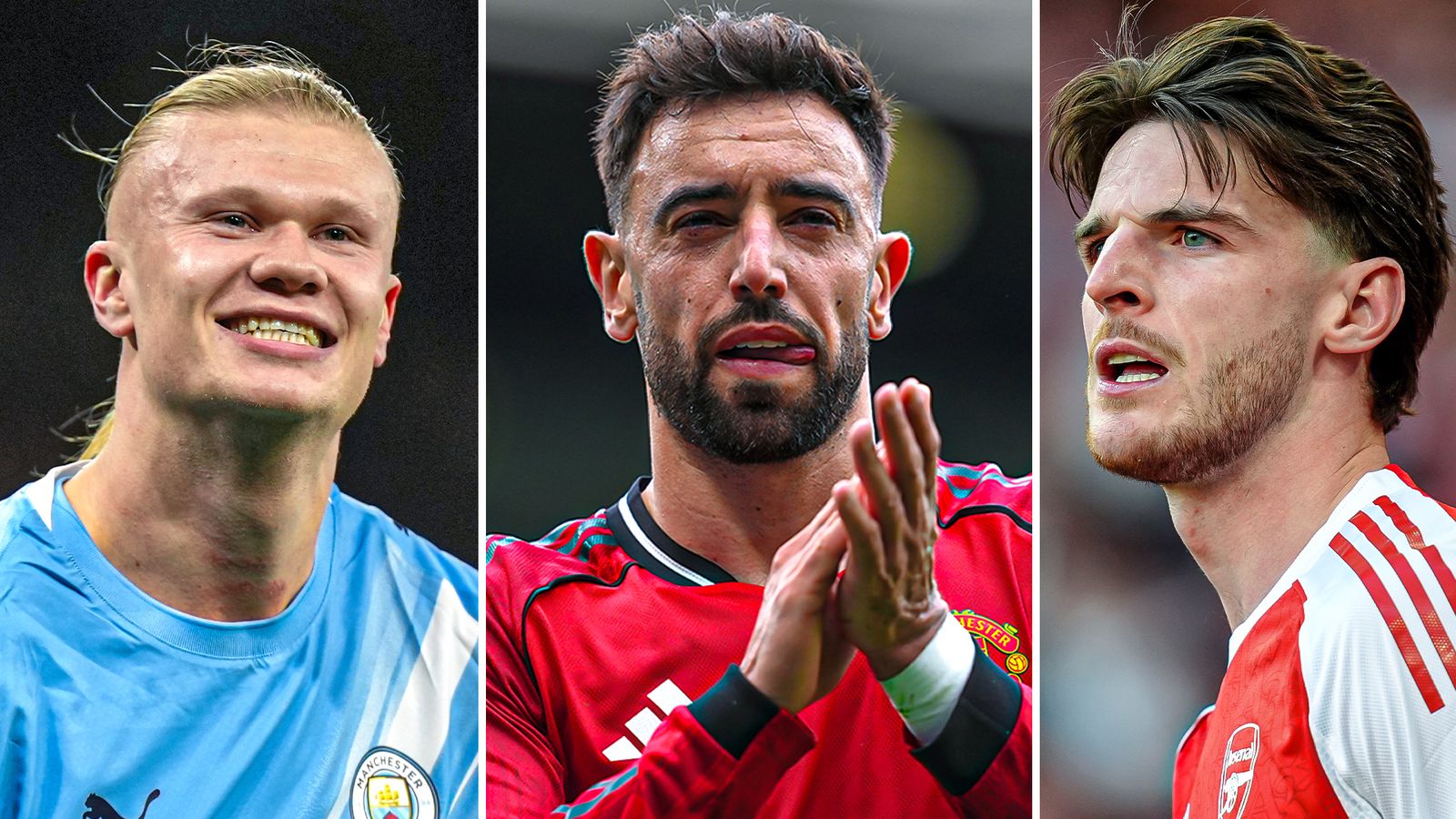
The decision to transform end-of-season awards into a Monday Night Football centrepiece confirms that modern punditry now worships the cult of personality over substantive tactical analysis. Gary Neville and Jamie Carragher have become a self-referential feedback loop, each reacting to the other’s hot takes rather than dissecting the actual football that unfolds on the pitch. Their annual awards segment was once a footnote; now it’s the headline act, designed to generate viral clips rather than illuminate the game. The problem is not that they lack insight—it’s that the format incentivises them to perform rather than inform, turning every debate into a binary argument between two established brands.
Consider the evidence from this season alone. When asked to name their "Manager of the Year," both inevitably circled back to Mikel Arteta or Unai Emery, not because either delivered a radical tactical evolution, but because these choices provoke the most predictable argument. Arteta’s Arsenal have been statistically excellent at set-piece orchestration—but the real story of the campaign is how Pep Guardiola managed a midfield without Kevin De Bruyne for 14 matches, still grinding out possession-based control with Bernardo Silva in a deeper role. That nuance never made it past the green room. Instead, we got five minutes of Neville insisting that Arteta’s discipline outweighs Emery’s cup-run squad rotation, while Carragher countered with Villa’s head-to-head record. No data on pressing triggers, no xG chain analysis, no mention of how a specific third-man run by Cole Palmer changed an entire match shape. The feedback loop rewards the headline, not the breakdown.
The implication is corrosive. Young fans tuning in for Monday Night Football are being trained to value opinion over observation, to treat a former player’s brand of "I-was-there" authority as superior to the cold, replicable logic of on-pitch patterns. Last weekend, I watched Manchester United concede a goal directly from a poorly set two-man wall against a free-kick—a structural failure that neither pundit flagged because they were too busy debating Bruno Fernandes’ captaincy on the basis of a single angry gesture. That’s the cost. When the show becomes a referendum on personalities rather than a clinic on how to break down a low block, the game loses its analytical depth. The awards moment only crystallises what has been rotting for years. So here is the verdict: as long as broadcasters treat Neville and Carragher as rival actors in a weekly soap opera, the echo chamber will only grow louder—and the tactical intelligence that actually wins matches will be the first casualty.