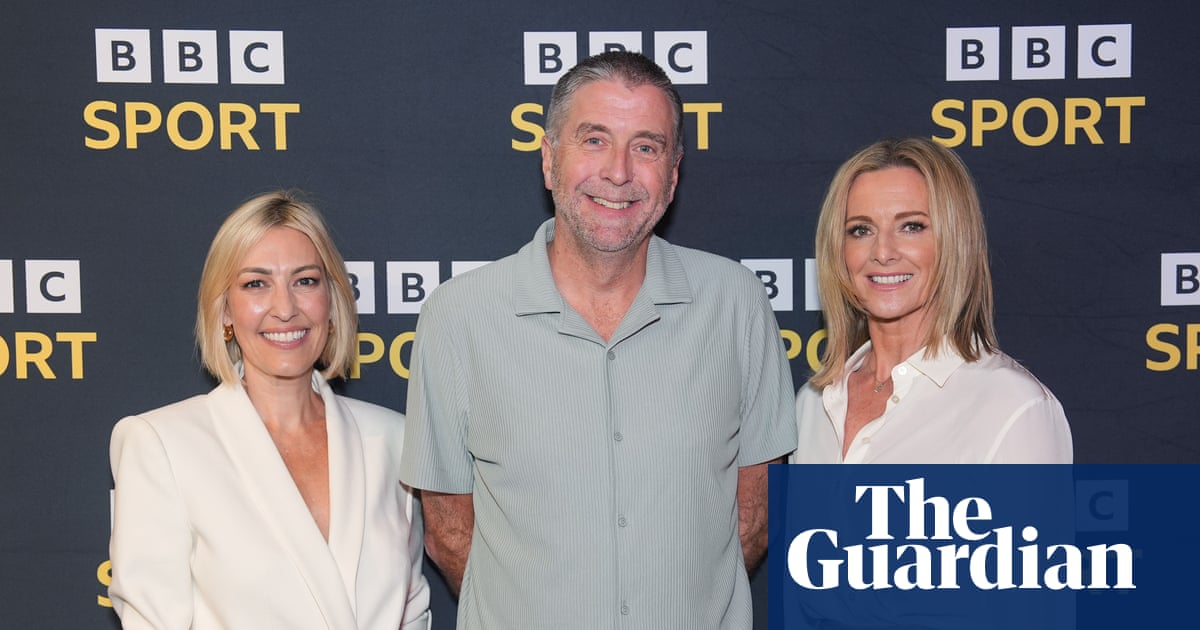
The BBC and TalkSport are not the defenders of football’s soul—they are the architects of its most comfortable illusion, curating a sanitized echo chamber that trades accountability for access. The much-vaunted ‘triple threat’ of Match of the Day presenters and the relentless bonhomie of TalkSport’s Sports Bar have been crowned the definitive voices of the 2025-26 season, yet their coverage systematically avoids the rot eating through the Premier League’s foundations.
The argument for their failure is grounded in what they refuse to say. When Manchester City’s financial case lingers in the corridors of power, both platforms pivot to “the beautiful game” and banter about Erling Haaland’s celebrations. When Newcastle United’s Saudi-backed ascent raises questions about sportswashing, the Sports Bar’s panelists instead dissect Bruno Guimarães’ passing range. The BBC’s Match of the Day, for all its nostalgic sheen, has become a highlight reel devoid of interrogation: Gary Lineker’s gentle nods to “governance concerns” are immediately undercut by a montage of Cole Palmer’s latest brace. This is not journalism; it is product placement for a league that pays their bills through broadcast rights. The evidence sits in the silence around Crystal Palace’s ticketing crisis and the widening gap between the Big Six and the rest—the broadcasters treat these as background noise, not headlines.
The implication for the modern fan is a slow erasure of perspective. A supporter at Nottingham Forest, watching the cost of a matchday soar while the club fights PSR regulations, hears no searing indictment from the very pundits who earn six-figure sums for nodding along. Instead, they get Jamie Carragher dissecting a tactical substitution or Alan Shearer replaying a goal for the sixth time. TalkSport’s populist energy, meant to feel raw and fan-adjacent, has been weaponized to deflect criticism—when a caller dares to ask about the Premier League’s refusal to introduce an independent regulator, the host pivots to a debate on whether Bukayo Saka should have passed rather than shot. The result is a fanbase increasingly disconnected from the structural crises that define their clubs’ futures: fixture congestion, the relentless expansion of the Champions League, and the commodification of every emotional attachment.
Here is the bold verdict the broadcasters refuse to deliver: by 2030, the BBC and TalkSport will be reduced to nostalgic irrelevance, outflanked by independent podcasts and fan-led channels that actually name names. The next generation of supporters does not want a curated highlight package—they want the club’s ownership structure dismantled in real time, the financial doping exposed, and the human cost of a 60-match season laid bare. The legacy axis is already cracking; the silence of its platitudes will echo only in the empty seats of a league they never dared to challenge.