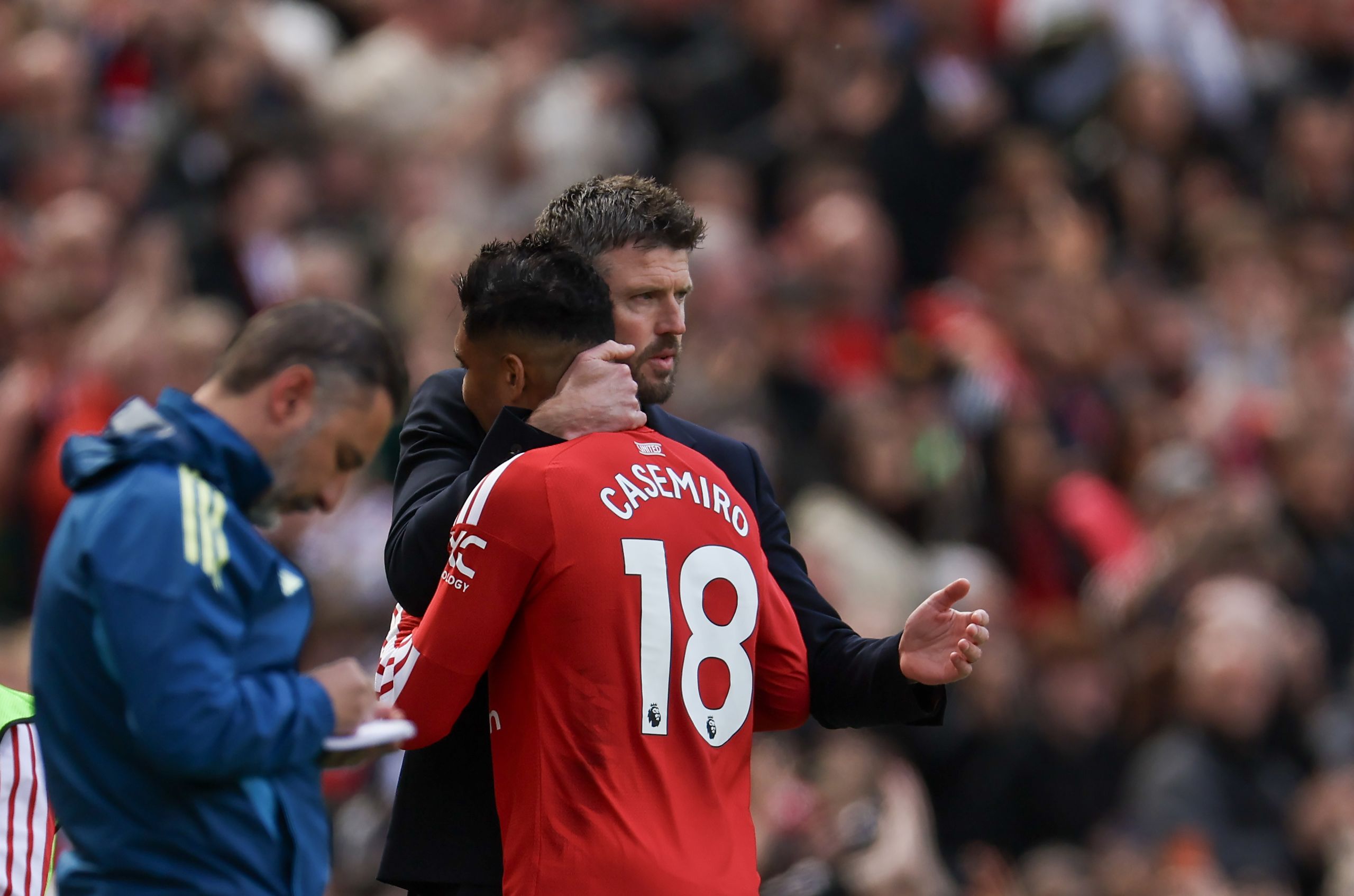
The Premier League’s fixture computer has delivered a final-day farce, and it’s time to call it what it is: a structural failure that slaps competitive integrity in the face. Brighton, chasing Europa League qualification, host a Manchester United side that has already checked out mentally, tactically, and emotionally — a mismatch not of talent but of motivation, exposing the league’s inability to protect the meaning of its own closing weekend.
Roberto De Zerbi’s Brighton arrive at the Amex with everything to play for: a win over a disjointed United likely secures a top-six finish and a European campaign, a remarkable achievement for a club that lost its midfield engine, Alexis Mac Allister and Moisés Caicedo, last summer. De Zerbi has rebuilt around the relentless pressing of Pascal Groß and the predatory instincts of João Pedro, and his side has demonstrated consistent tactical discipline — leading the league in expected goals from high turnovers. Meanwhile, Erik ten Hag’s United staggered to the finish line limp and uninspired. With a bloated injury list, a fractured dressing room, and a manager whose future is in limbo, United’s final game is a dead rubber for the standings. They cannot finish higher than eighth or fall lower than eighth. This is not a contest; it is a formality. The data confirms it: United have taken just four points from their last five away games and conceded 13 goals in the process, including a shellacking at Crystal Palace. Brighton, by contrast, have lost only one of their last eight home matches. The gulf in urgency is a chasm.
The implication is uncomfortable but undeniable: the Premier League’s calendar rewards financial weight over competitive logic. United, a commercial juggernaut, will occupy headlines all summer regardless of this result, while Brighton’s entire season — their points haul, their style, their cultural identity — hinges on a single afternoon against an opponent with zero incentive to fight. This is not an anomaly; it is a systematic issue. The league schedules five games on the final day, often creating mismatches where one side is playing for everything and the other for nothing. In a 38-game season, every result should carry weight. When it doesn’t, the product suffers. Neuter the stakes and you neuter the drama — and the Premier League sells drama above all else.
Here is the verdict: Brighton will win this match comfortably, because desire is a currency that cannot be faked. João Pedro will punish United’s porous defensive transitions, and De Zerbi’s pressing structure will force at least one calamitous error from Casemiro or Jonny Evans. The final score will be 3-1 or worse, and United’s postmortem will only grow louder. But the real loser is the league itself — Brighton’s European dream should never have been arbitrated by a side coasting toward vacation mode. Until the Premier League introduces parallel scheduling or a balanced final-day fixture list that ensures every team with something to play for faces a similarly motivated opponent, this farce will repeat. Brighton will celebrate, United will flee, and the calendar will remain a corrupt joke.