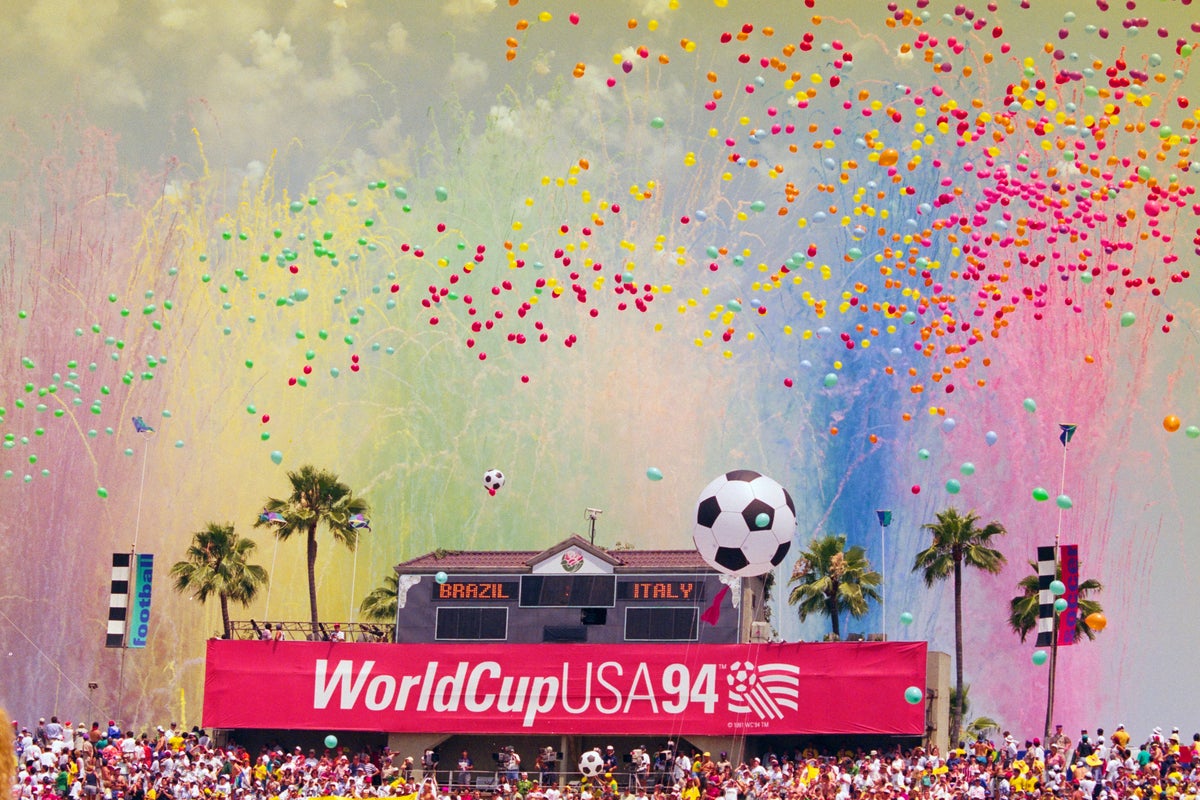
The Premier League has become a colony of American capital, and the true architect of this transformation was not a hedge fund manager but the 1994 World Cup. That tournament, staged across the United States, was ground zero for the sport’s commercial awakening—a showcase that taught American investors soccer could be monetized with the same ruthless efficiency as baseball or basketball. Fast-forward three decades, and 11 American ownership groups now hold stakes in Premier League clubs, and the cultural DNA of the league has been quietly rewritten. Liverpool under Fenway Sports Group doesn’t just deploy the “Moneyball” analytics that built their 2020 title—they treat each transfer window as a balance-sheet exercise, selling Philippe Coutinho for £142 million and reinvesting with surgical precision. At Chelsea, Todd Boehly’s Clearlake Capital has turned the squad into a portfolio of long-term contracts and amortized assets, signing Mykhailo Mudryk for £88 million then sacking Graham Potter within months when the spreadsheet didn’t match the scoreboard. Manchester United’s Glazer ownership has long treated the club as a leveraged cash cow, prioritizing brand revenue over squad depth, while Arsenal’s Stan Kroenke finally spent on Mikel Arteta only after the Emirates became a consistent Champions League earner. This is not a coincidence—it is a systemic importation of American sports management: risk-averse, data-obsessed, and brutally transactional.
The 1994 World Cup seared a specific lesson into American business minds: soccer could be packaged as premium television, with stoppage-time commercials, walk-up music, and sterile, all-seater stadiums. That model now defines the Premier League matchday. American owners have