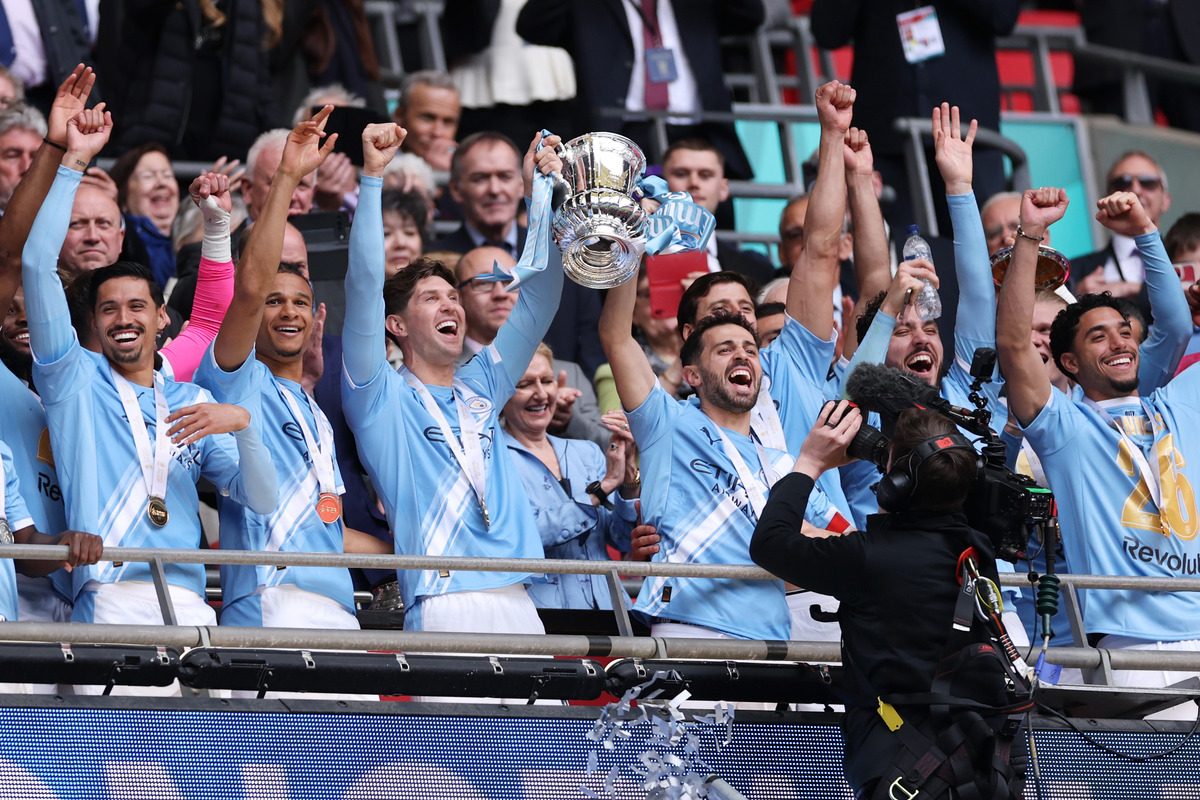
Manchester City’s decision to publicly anchor their valuation at £7.5bn is not a sign of strength—it is a self-inflicted wound that exposes the club’s deepening identity crisis. By having chairman Khaldoon Al Mubarak declare the club worth at least that figure, City have inadvertently confirmed what their harshest critics have long argued: that the reigning Premier League champions view themselves as a corporate asset first and a sporting institution a distant second. This is not about balance sheets; it is about the soul of football.
The valuation claim lands with particular force because it comes at a moment when the on-field product already reeks of financial determinism. Watch Erling Haaland smash scoring records while Kevin De Bruyne orchestrates from deep—every pass, every run, every goal is a monument to the £1.5bn-plus spent on players and wages since the Abu Dhabi takeover. Yet for all that spending, City’s Champions League crown feels less like a triumph of sporting genius and more like the inevitable result of outspending every rival. When Pep Guardiola’s side scraped past a depleted Newcastle 1-0 in October, the narrative wasn’t about tactical brilliance—it was about the luxury of having a £50m backup for every position. That is the PR poison City have bottled: their dominance is perceived as hollow, a product of resources rather than merit.
The implication for the league is dangerous. By flaunting a £7.5bn valuation, City have gifted ammunition to the growing chorus of fans and club executives who see the Premier League’s financial stratification as an existential threat. Nottingham Forest can spend £150m in a single window and still fight relegation; Aston Villa can break into the top four only to lose their best players to City’s wage structure. Meanwhile, historic clubs like Manchester United stagger under debt while City’s owners treat their club as an appreciating asset to be leveraged. The tension is palpable: every time City lift a trophy, the question is not “how did they win?” but “how much did it cost?” That question erodes the very romance that made English football a global obsession.
Here is the forward-looking verdict: Manchester City’s £7.5bn valuation will become their biggest liability when the regulatory hammer finally falls. The club is already under investigation for 115 alleged breaches of financial fair play, and public bragging about valuation only strengthens the case for punitive sanctions. When the verdict arrives—and it will—City will discover that no amount of corporate valuation can buy back the respect of the football world. Their financial dominance is their greatest asset on the pitch, but it is also the stick that will beat them into pariah status. The next era of English football will not be defined by how much City are worth, but by how the game learns to resist becoming a balance sheet.