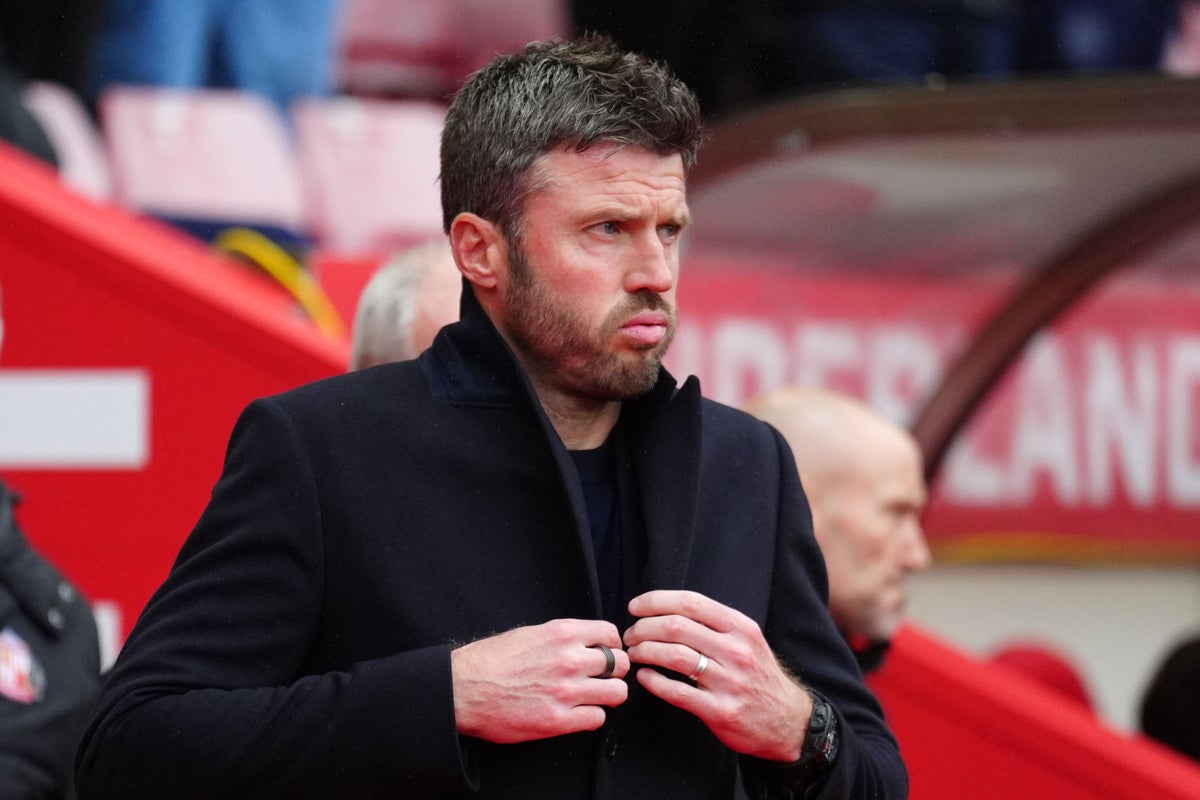
Michael Carrick has saved Manchester United from the abyss, but handing him the keys permanently would be an act of misplaced faith. Yes, the caretaker manager steadied a ship that was listing under Erik ten Hag’s chaotic final months, guiding the club back to Champions League qualification with a gritty win over Nottingham Forest that felt more like survival than statement. But let’s not confuse competence with greatness. United scraped into fourth place on 68 points, their lowest tally for any top-four finish in the Premier League era—a full 23 points behind champions Manchester City. They conjured wins through individual brilliance from Bruno Fernandes and Marcus Rashford, but the underlying numbers betray a team carried by its goalkeepers and set pieces, not a coherent system. Carrick deserves credit for plugging leaks—his defensive shape improved, and he coaxed a 1.0 goals-against average from a backline that had conceded 1.8 per game under Ten Hag—but that is the bare minimum for a club of United’s resources. The real test is whether this caretaker can build a title-winning identity, and the evidence from his tenure says no.
The identity crisis runs deeper than any interim fix. Under Carrick, United averaged just 1.6 goals per game, a number that ranks eighth in the league and is propped up by penalties from Fernandes and late winners against relegation-threatened sides like Forest. Their expected goal differential over his 18 matches was +0.3 per game—mediocre for a Champions League side, let alone a title contender. Compare that to Mikel Arteta’s Arsenal or Pep Guardiola’s City, both of whom dominate possession, press with venom, and control games from the first whistle.